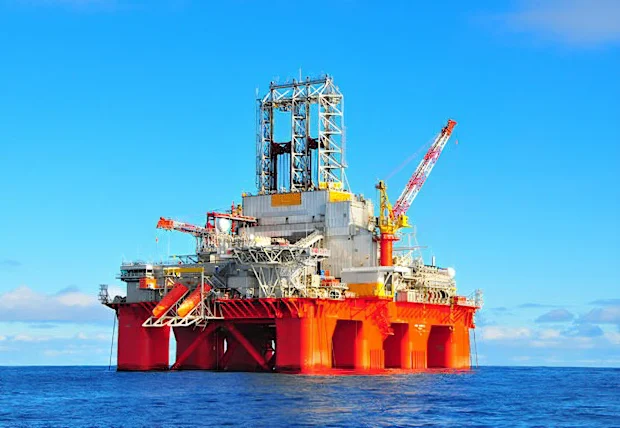
West Venture Drilling Vessel – Deck Coating Removal, Norwegian Sector

Project Overview

The West Venture is a fifth generation semi-submersible drilling vessel built by Hitachi in 2000 and registered in Norway. Classified by DNV as a 1A1 Drilling Vessel, it measures 117.60 metres in length and 69.70 metres in breadth, with the following key specifications:

  • Water depth capability of 1,800 metres
  • Drilling depth exceeding 9,000 metres
  • Accommodation for 114 persons across 57 cabins
  • Dual derricks for simultaneous drilling operations

In December 2004, RPR Technologies was engaged to carry out paint and rust removal from the primary escape routes and walking areas of the vessel’s deck while operating in the Norwegian sector. These areas are among the most safety-critical surfaces on any offshore drilling vessel, as the condition and anti-skid properties of the deck coating directly affect the safety of personnel moving around the vessel in demanding offshore conditions.

The existing deck coating was an anti-skid system that had deteriorated over time, accumulating to a thickness of 3 to 5mm, with areas of rust and flaking present across the surfaces to be treated. The contract requirement specified removal to Sa 2.5 on painted surfaces, a near white metal standard that demands thorough and consistent removal across the full treatment area. Full removal of the old coating and rust was required, followed by a surface wash and the application of a new anti-skid coating system to a total thickness of 1,500 microns.

Previous experience on comparable jobs using UHP water jetting had proven the method to be time-consuming and operationally burdensome in an offshore environment. UHP jetting generates large volumes of contaminated water waste, requires extensive containment to prevent runoff across the deck and into the sea, and creates wet working conditions that extend drying times between the removal phase and the application of the new coating. On an offshore vessel where downtime is costly and working conditions are already demanding, these inefficiencies represented a significant operational and cost burden that the client was keen to avoid repeating. The project was completed between 2 and 8 December 2004 with RPR Technologies representative Tom A. Baann present on site throughout.

Services Included

RPR Technologies delivered a complete deck coating removal and surface preparation service on the West Venture drilling vessel, covering 150m2 of primary escape routes and safety-critical walking areas across the vessel’s deck.

Equipment and methodology:

  • RPR heat induction technology deployed to thermally disbond the aged anti-skid coating and rust from the steel deck substrate
  • Dry, clean removal with no water, abrasives, or chemicals used at any stage
  • Treatment area of 150m2 divided into sections of approximately 40m2 each for staged, section-by-section workflow
  • Each section completed within 1 to 2 hours before being washed, dried, and primed with the first coat of the new coating system
  • The following section treated the next day, allowing the recoating programme to advance progressively without disrupting vessel operations or leaving large sections of bare steel exposed overnight

Surface preparation outcomes:

  • Achieved surface cleanliness of Sa 2.5 on painted surfaces and Sa 2 on rusted areas, meeting the contract specification across the majority of the treated area
  • Full removal of anti-skid coating ranging from 3 to 5mm in thickness
  • Working area kept dry and clean throughout, eliminating containment requirements and extended drying periods associated with UHP water jetting
  • Waste stream minimal, consisting only of removed coating flakes with no spent abrasive media or contaminated water generated

Recoating and completion:

  • Final downwash of the complete job area carried out upon completion of removal works
  • New anti-skid coating system applied to a total system thickness of 1,500 microns
  • Entire 150m2 scope including removal and recoating completed within 6 days
  • Estimated time saving of approximately 5 days compared to UHP water jetting on a comparable job

Conclusion

The West Venture project is a strong example of RPR heat induction technology delivering fast, dry, and efficient coating removal on a live offshore drilling vessel operating in the Norwegian sector. The results achieved across this project highlight the clear operational advantages RPR offers over conventional UHP water jetting in a marine offshore environment:

  • 150m2 of safety-critical deck surface fully removed and recoated within 6 days
  • 5 days saved compared to the estimated duration using UHP water jetting
  • Zero water waste, zero abrasive media, and zero containment requirements throughout
  • Dry working conditions maintained across all stages, eliminating extended drying times between removal and recoating
  • Surface cleanliness of Sa 2.5 on painted surfaces and Sa 2 on rusted areas achieved, meeting contract specification
  • New anti-skid coating system applied to 1,500 microns total system thickness within the same programme

The staged, section-by-section approach developed for the West Venture allowed recoating to progress progressively behind the removal works, keeping the programme moving efficiently without leaving large areas of bare steel exposed overnight or disrupting vessel operations at any point.

For offshore drilling operators managing safety-critical deck surfaces on active vessels, the West Venture project demonstrates that RPR induction technology can deliver a faster, cleaner, and more operationally compatible solution than UHP water jetting, with meaningful time savings and a significantly reduced environmental and logistical footprint on board.

Share:

Explore innovation, technology and news from our journey

Explore the latest innovations, project stories, and insights from the ACR Tech team.