

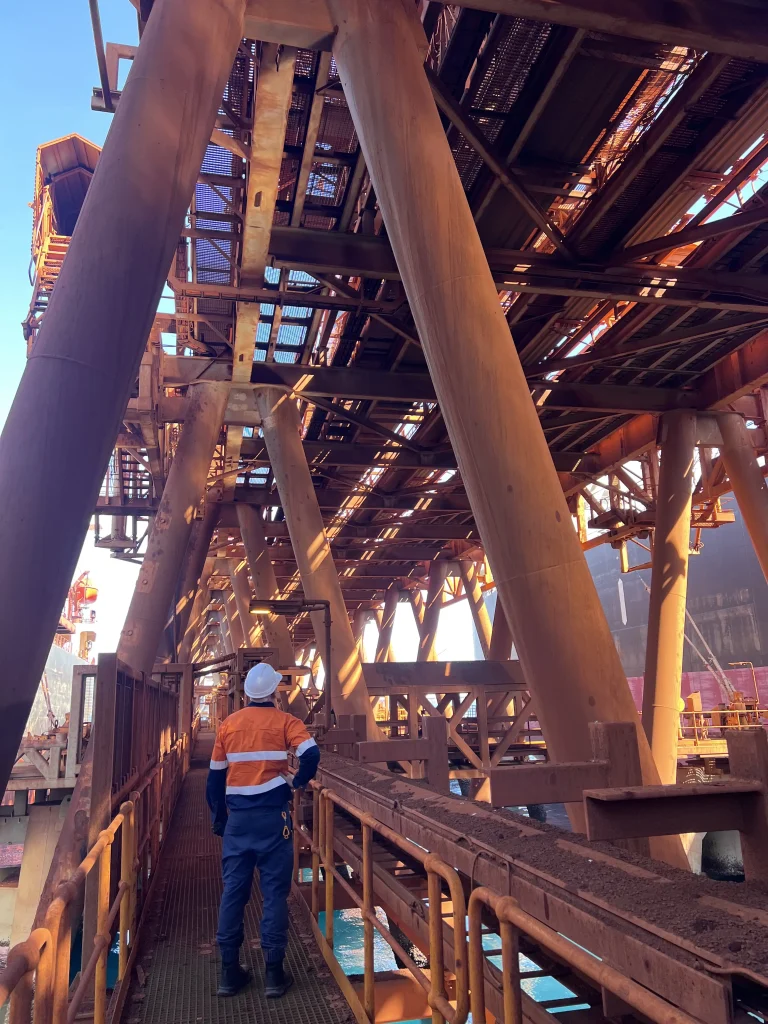
Industrial coating removal has traditionally been one of the most time-consuming, disruptive, and waste-heavy stages of asset maintenance. Whether the project involves wharf piles, tanks, pipelines, structural steel, bridges, or heavy industrial infrastructure, conventional coating removal methods often come with familiar challenges: abrasive media, dust, water use, noise, containment requirements, manual handling, shutdown pressure, and large volumes of contaminated waste.
ACR Tech is helping change that. Through the world-leading RPR Technologies induction coating removal solution, ACR Tech is enabling asset owners, contractors, and maintenance teams to complete coating removal works faster, safer, cleaner, and with significantly less impact than many conventional approaches.
Moving Beyond Conventional Coating Removal
Abrasive blasting, mechanical preparation, chemical stripping, and ultra-high-pressure water blasting all have their place in coating removal. But they can also create added complexity. Conventional methods can require extensive encapsulation, large waste management requirements, heavy clean-up, and significant controls around dust, noise, water runoff, airborne contaminants, and operator exposure. On sensitive sites, live facilities, marine environments, or locations with strict environmental requirements, these impacts can slow the job down before the real surface preparation work even begins.
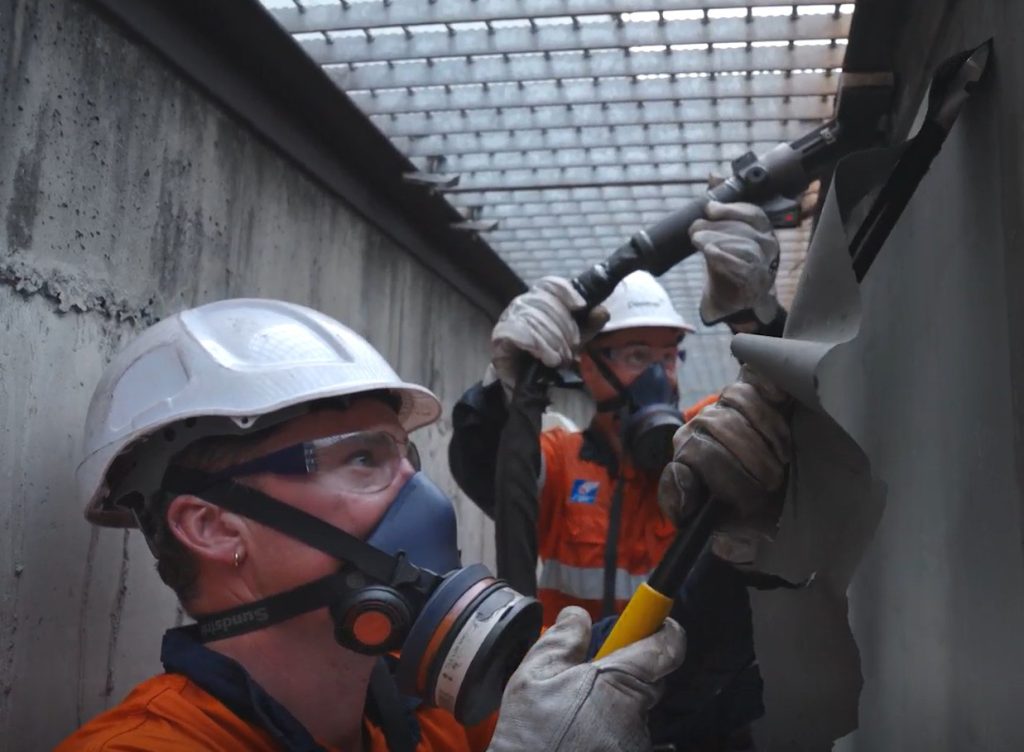
RPR Technologies induction coating removal solution takes a different approach. Rather than attacking the coating from the outside in, induction technology generates controlled heat directly in the steel substrate. This breaks the bond between the coating and the steel, allowing the coating to be removed in sheets or sections, largely intact, rather than being pulverised into dust or mixed with blast media.
Faster, Cleaner Removal, Less Downtime
Speed matters in critical asset maintenance. RPR induction coating removal can significantly improve productivity, particularly on thick, tough, or hazardous coatings that are difficult to remove using conventional methods. This speed advantage also comes from reducing the time spent managing by-products of conventional methods, meaning less containment, less clean-up, and fewer delays between coating removal and the next stage of work.
For contractors and asset owners, that can translate into shorter project durations, more predictable schedules, and reduced disruption to surrounding operations.
Safer for People
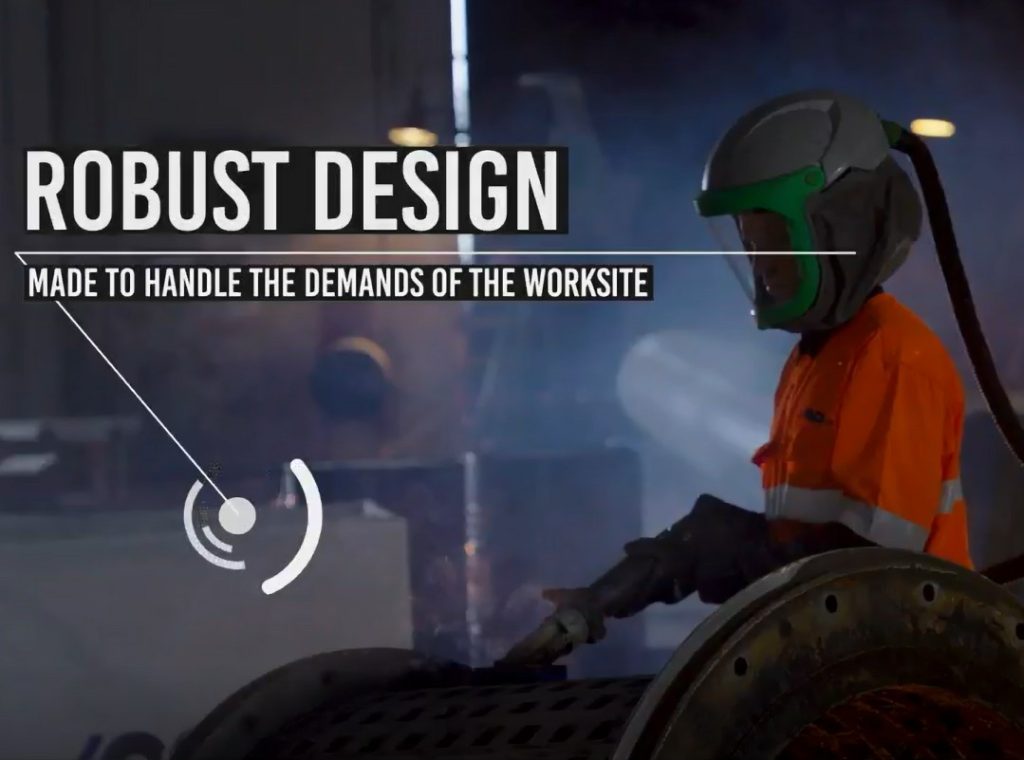
Safety is one of the strongest arguments for next-generation coating removal. Conventional methods can expose workers and the public to greater airborne dust, debris, noise, vibration, water jet hazards, chemicals, and contaminated waste streams. When coatings contain hazardous materials such as lead, asbestos, or other legacy contaminants, the risks increase further. Because induction coating removal disbonds the coating from the steel rather than destroying it into fine particles, the removed material can often be collected more cleanly and in a more controlled form, reducing airborne dust and minimising exposure risks.
Cleaner for the Environment
Environmental impact is now a major consideration in every maintenance project requiring coatings remediation. RPR induction coating removal supports that shift by reducing or eliminating the need for abrasive blast media and large volumes of process water. By removing coating in a more intact form, induction technology can reduce total waste volume and simplify handling, segregation, transport, and disposal. For environmentally sensitive locations such as ports, marine structures, terminals, pipelines, and operational industrial sites, that cleaner process is a major project advantage.
Less Noise, Less Disruption
Noise and site disruption are often underestimated in coating removal planning. RPR induction coating removal is practically silent, making it better suited to operating facilities, sensitive residential and commercial environments, ports, infrastructure corridors, and sites where surrounding workers or communities need to be protected from excessive disruption. Reduced noise also improves working conditions for the crew and can help projects continue within tighter access or permit windows.
Enabling Conventional Methods, Not Replacing Every Step
RPR induction coating removal does not need to compete with every conventional method on site. Instead, it can enable and elevate them. By rapidly removing the bulk of the coating first, induction technology reduces the burden on abrasive blasting or final surface preparation processes. Rather than using conventional methods to do the heavy removal work, teams can use them more selectively for final profiling, surface cleanliness, or specification-driven surface preparation.
Instead of blasting through heavy coating systems from start to finish, ACR Tech can help remove the coating more efficiently first, then allow conventional surface preparation methods to complete the final step with less media, less time, less waste, and less environmental impact. That is where the real value sits: not just replacing one method with another, but improving the entire coating removal and refurbishment sequence.
Why ACR Tech
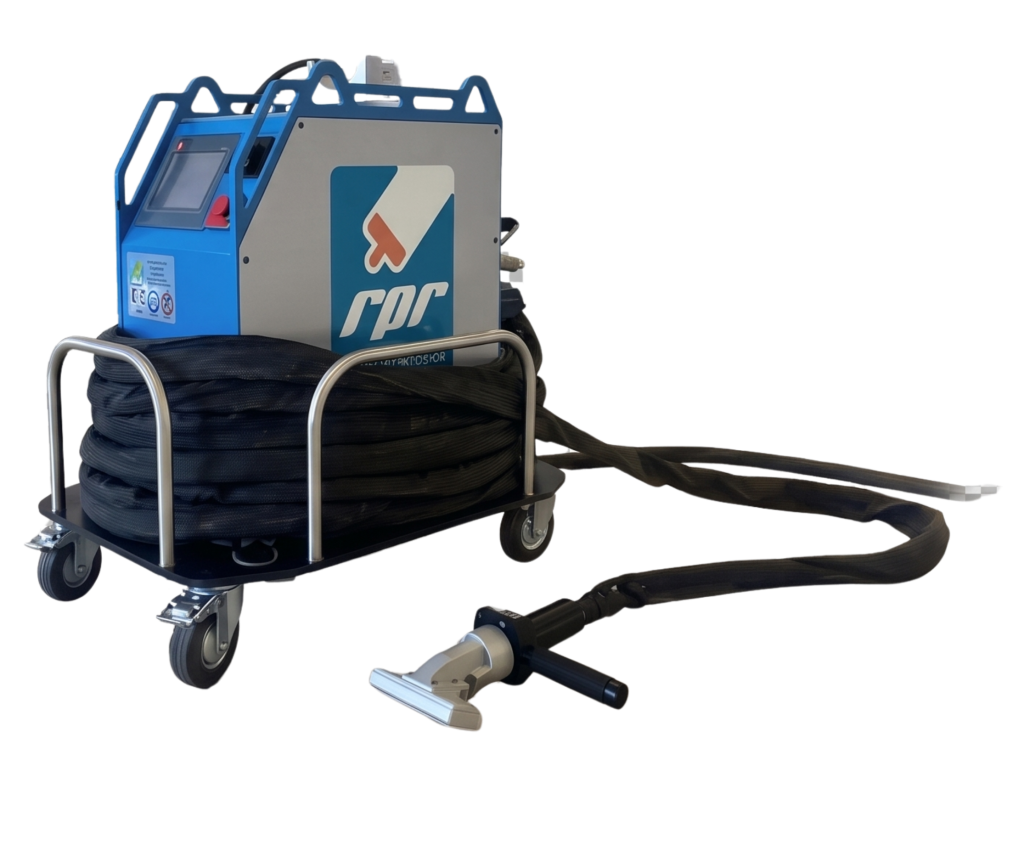
ACR Tech exclusively delivers RPR induction coating removal services throughout Australasia. With mobile capability and practical site experience, ACR Tech helps bring next-generation coating removal directly to industrial assets where speed, safety, and environmental performance matter most. From bulk or hazardous coatings to difficult access projects, the technology gives project teams an additional tool when conventional methods are too slow, too disruptive, or too waste-intensive.
Faster. Safer. Cleaner. Less Impact.
The future of coating removal is not only about removing coatings faster. It is about reducing the total impact of the job. RPR induction coating removal helps project teams remove tough coatings more efficiently, reduce reliance on abrasive media and water, lower waste volumes, improve worker safety, reduce dust, noise, and site disruption, support conventional methods with a cleaner front-end removal process, and shorten project timelines.
For asset owners and contractors looking to modernise their maintenance approach, ACR Tech is helping redefine what coating removal can look like: faster, safer, cleaner, and with less impact from start to finish.


