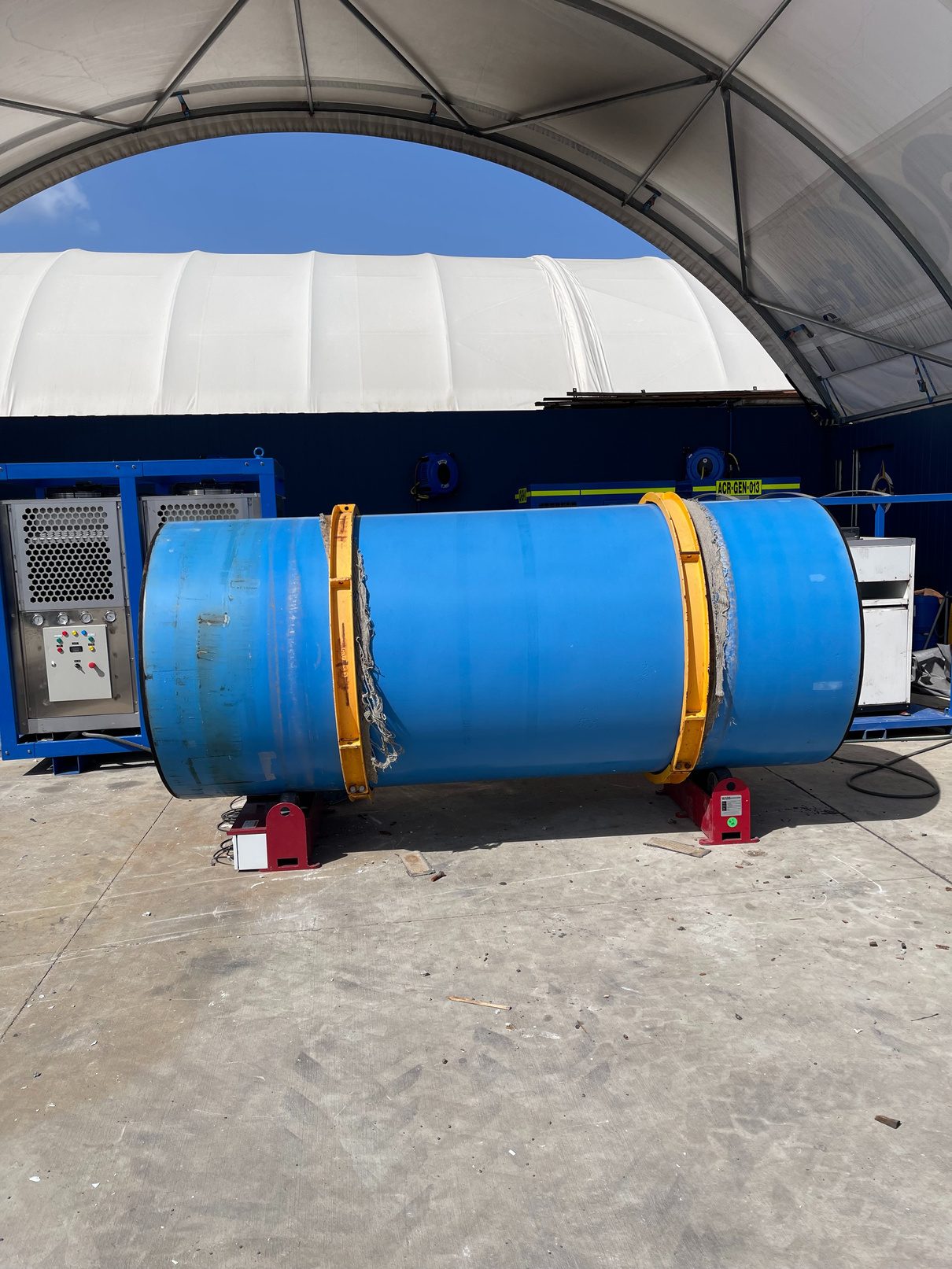
Mining Processing Mill

Results

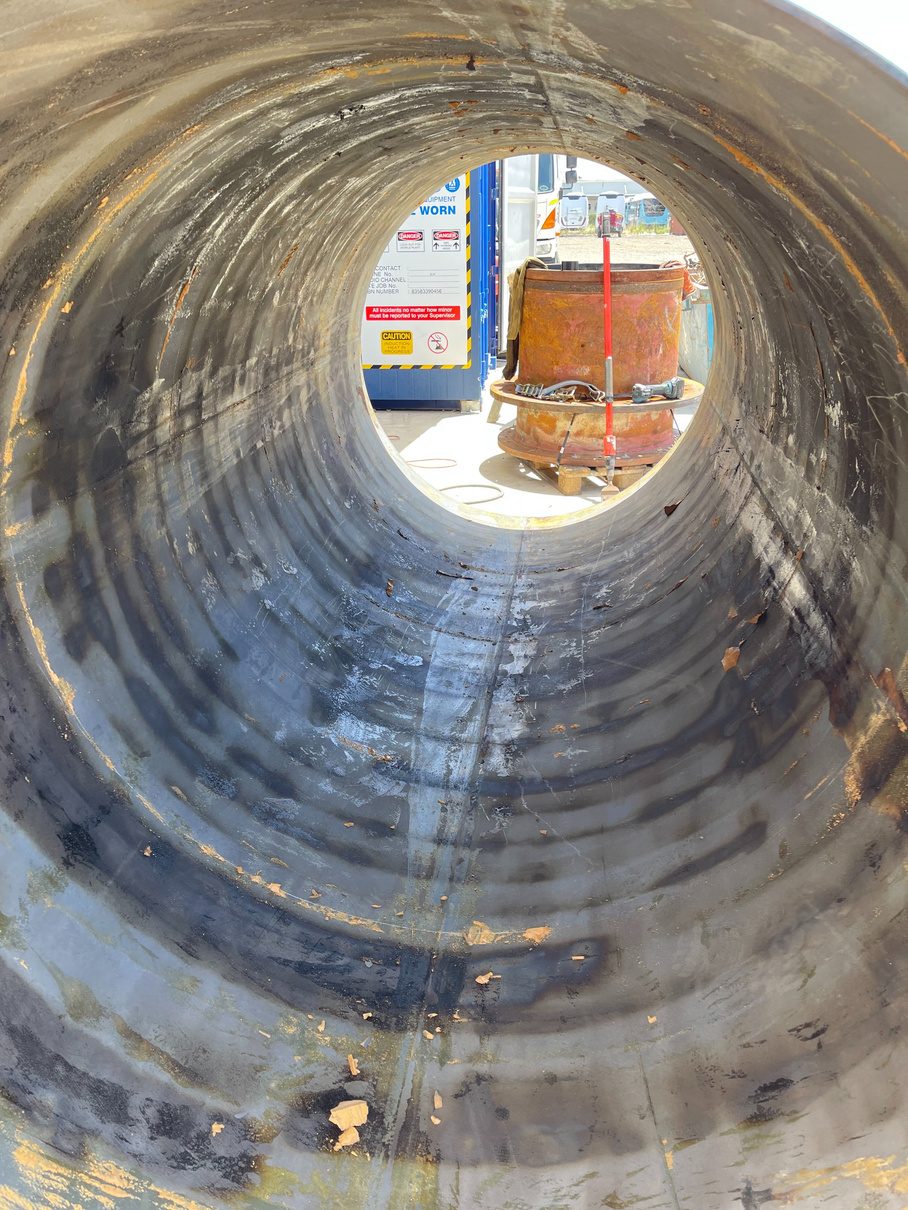
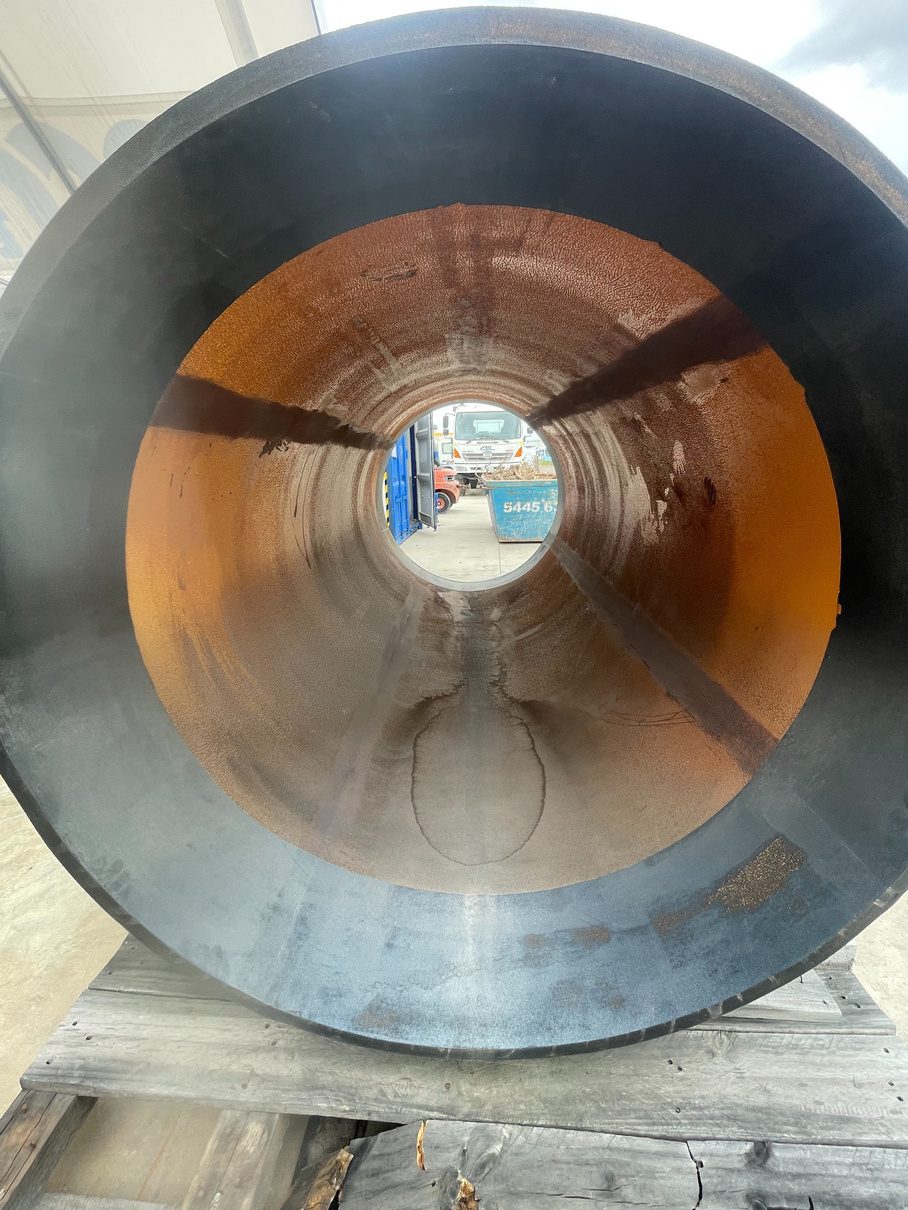
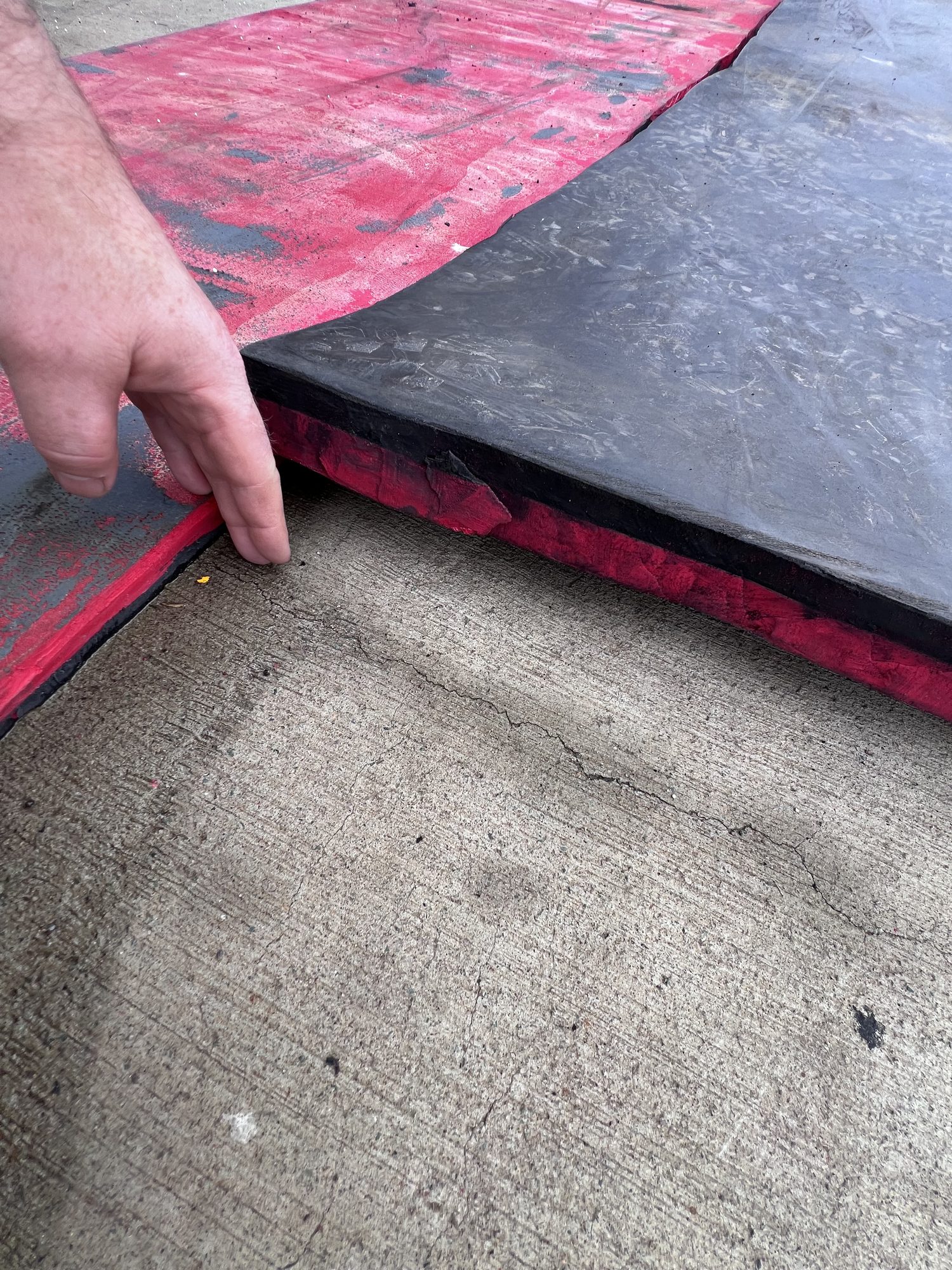
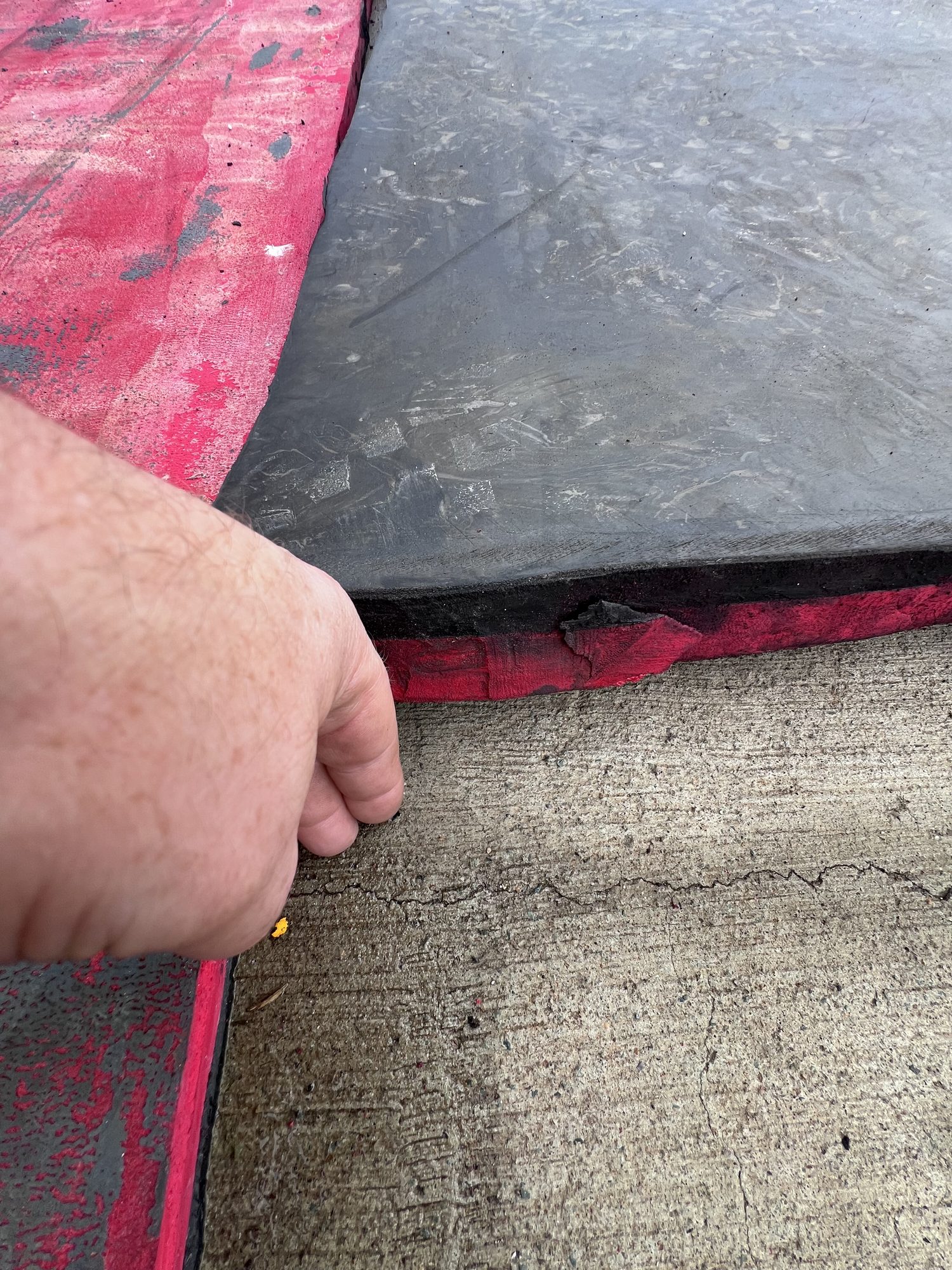
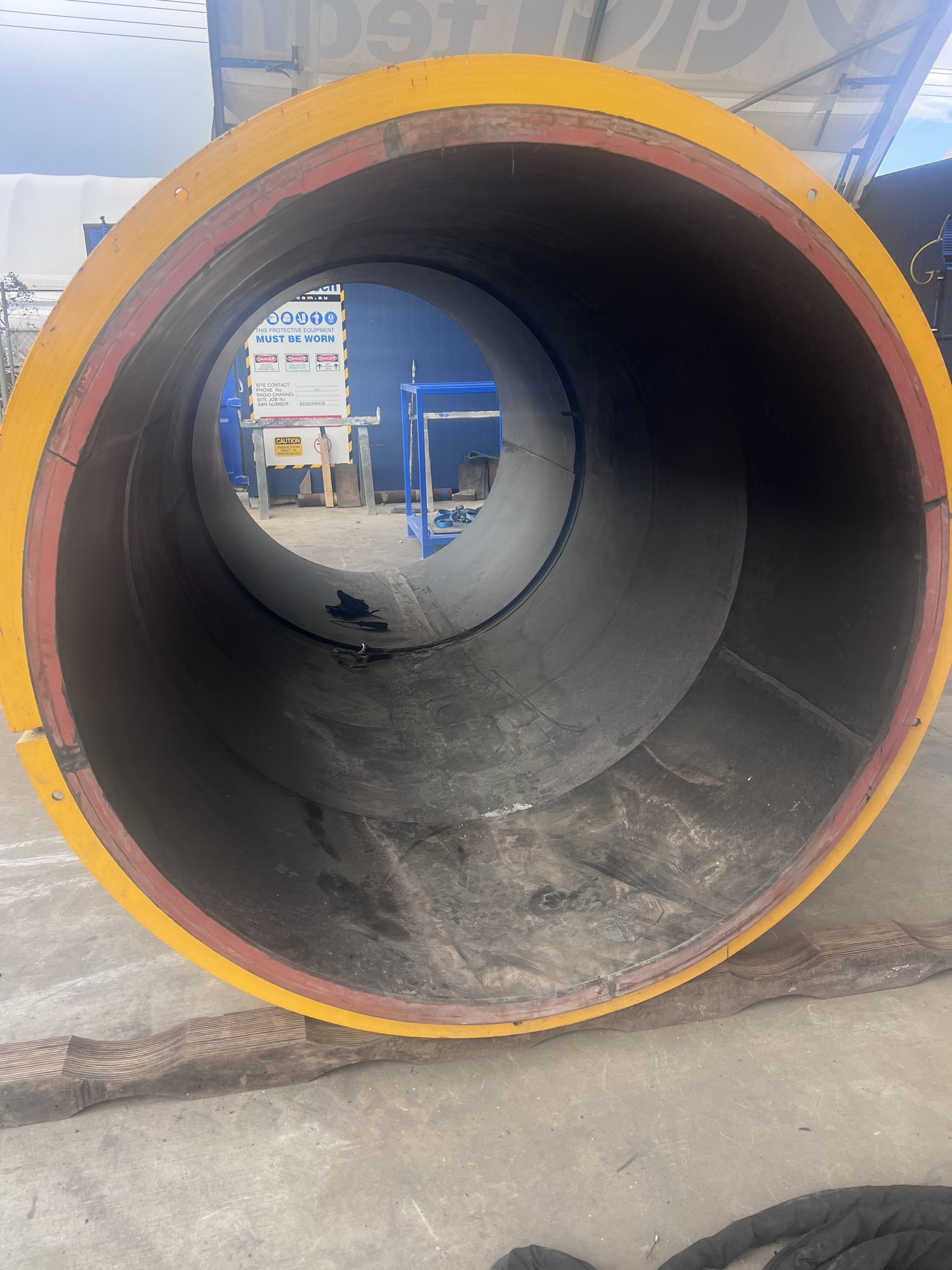
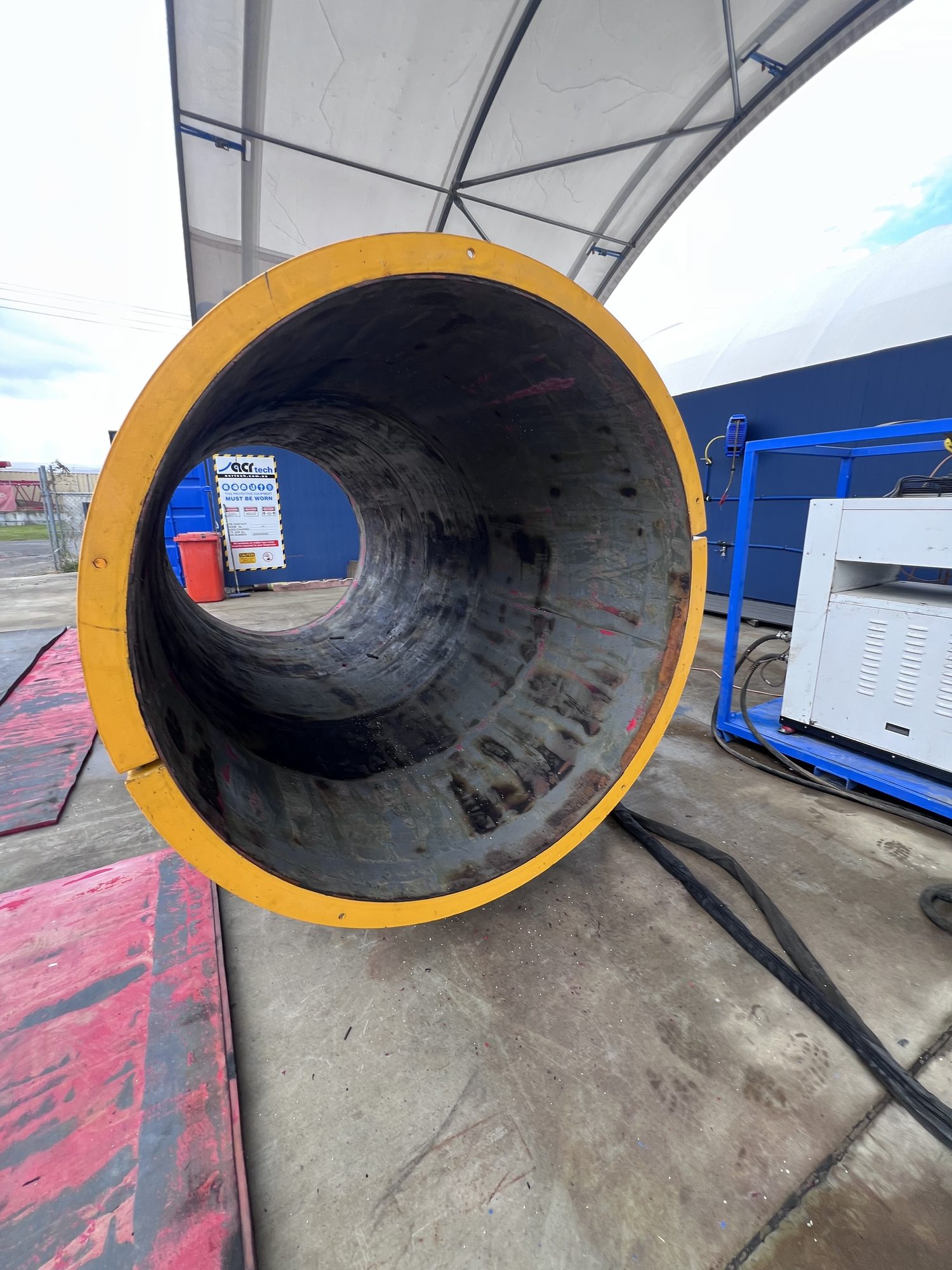
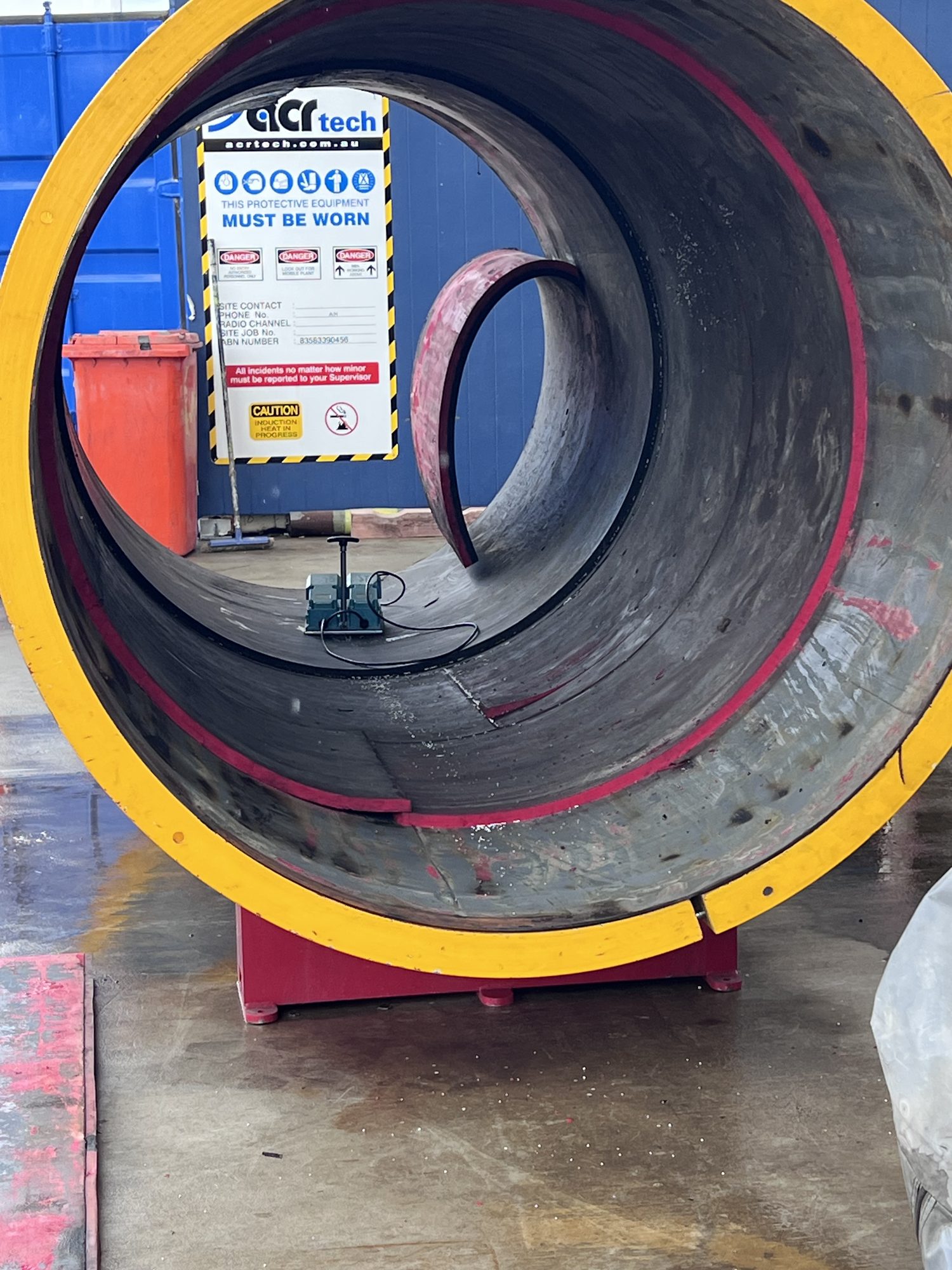
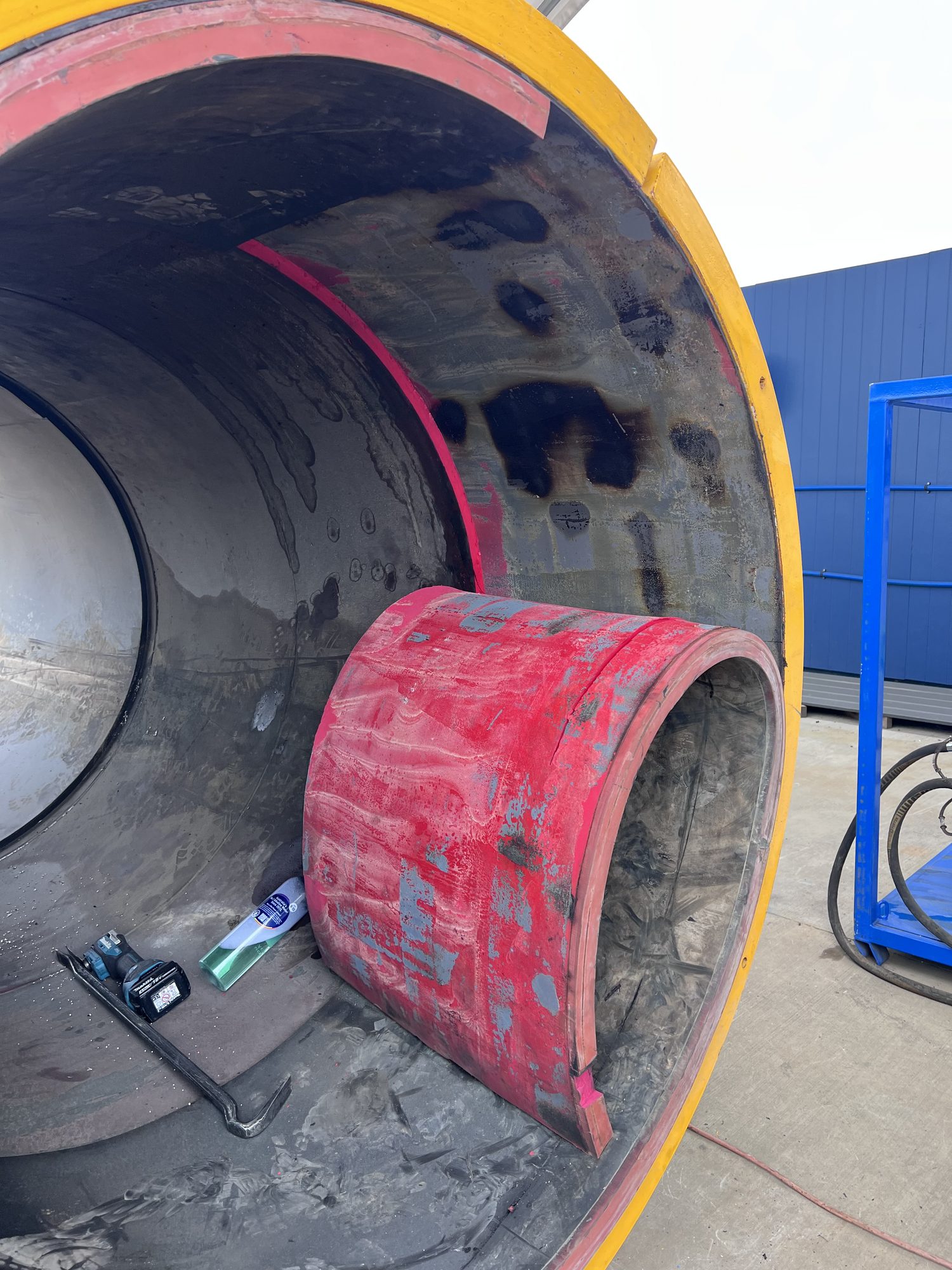
A 30mm vulcanised rubber lining stripped in a single shift, with zero damage to the shell and no fumes or open flames.
Shift to strip the full 30mm lining
0
Steel gouging or distortion
0
Less workshop labour
0 %

Solution

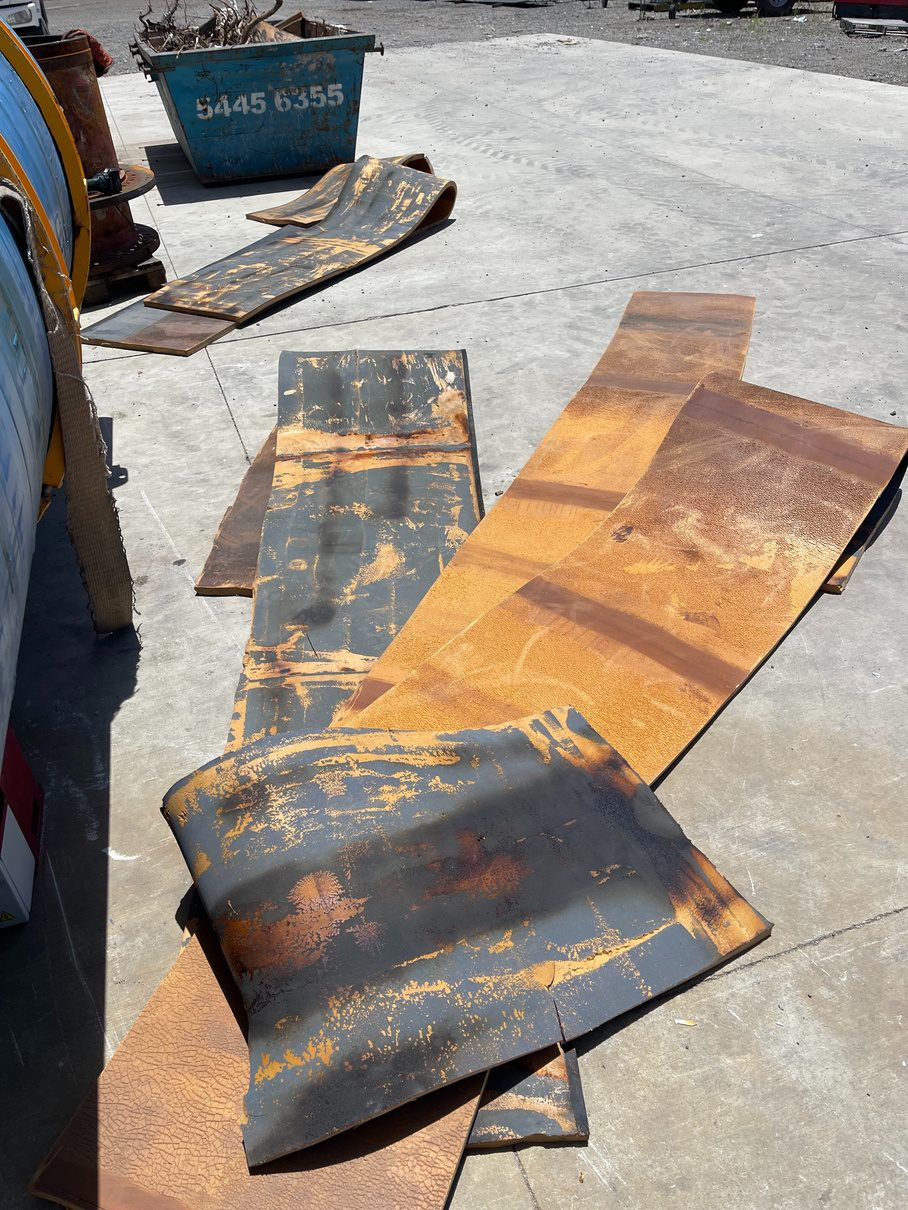
RPR induction released the vulcanised bond at the steel face, letting technicians peel the rubber away in intact panels.

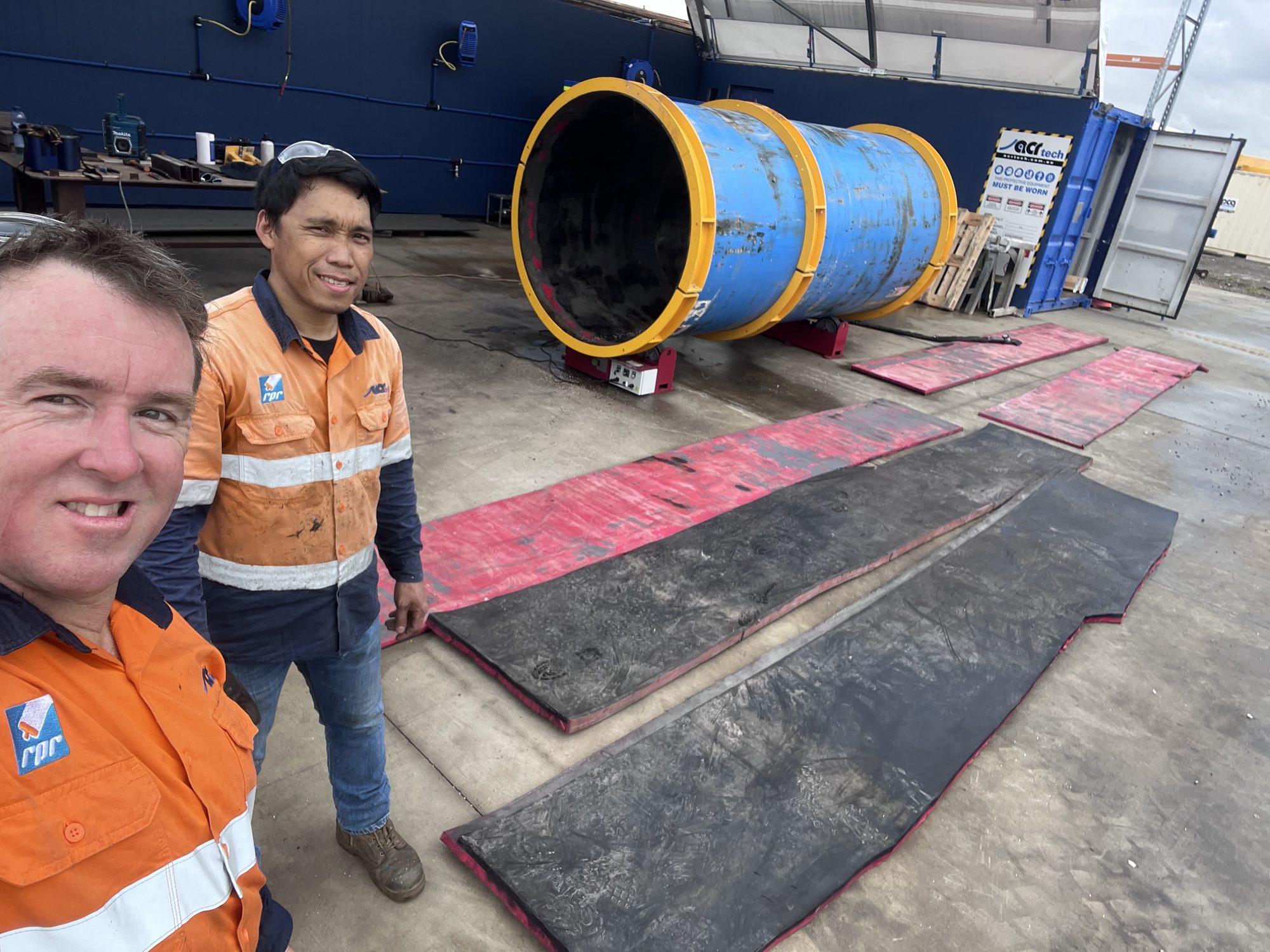
A two-person crew completed the job in one shift, replacing four to six boilermakers working over several days.

Project Overview

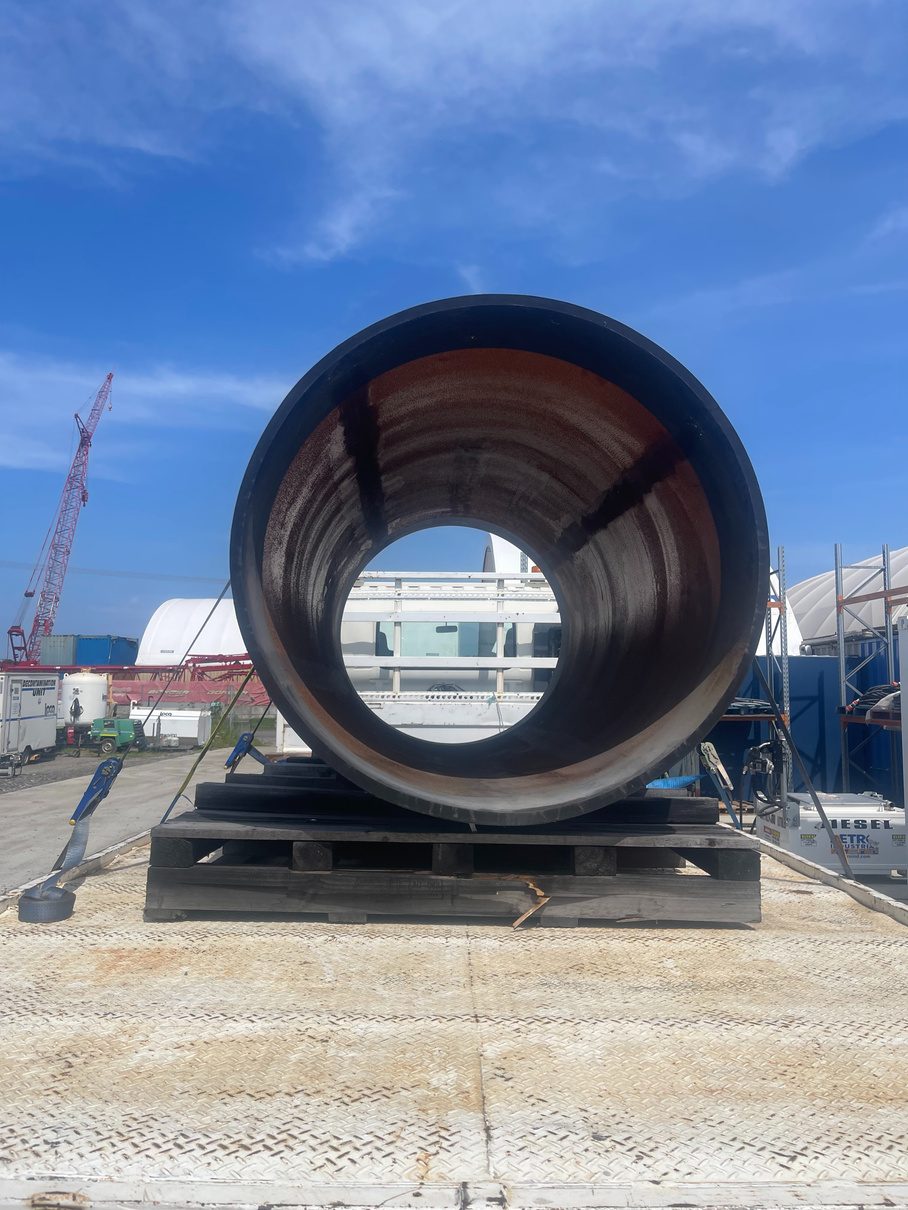
Heavy horizontal grinding mills rely on thick internal rubber linings to absorb impact and protect the steel shell from wear. Once liners reach their replacement limit, the spent lining must be fully stripped before NDT, weld repairs and re-vulcanisation can take place. Wear technology specialist Imatech required the full removal of a 30mm vulcanised rubber lining from the internal bore of an MK3000 mill shell at its Pinkenba engineering facility in QLD.

Stripping 30mm of reinforced, vulcanised rubber bonded to curved steel is one of the most punishing and hazardous tasks in mineral processing maintenance.

  • Traditional removal relies on pneumatic air knives, jackhammers, gouging irons and angle grinders
  • Manual methods are slow, extremely noisy and expose boilermakers to physical exhaustion and Hand-Arm Vibration Syndrome (HAVS)
  • Open LPG torches are often used to burn through the bond, creating fire risks and toxic sulphur dioxide and hydrocarbon smoke that can force workshop evacuations
  • Mechanical chiselling and torch gouging frequently damage the precision shell plate with gouges, burns and localised metallurgical changes
  • Repairing that damage requires costly weld build-ups and secondary machining before relining
  • Imatech needed a fast, clean, non-destructive method that delivered a pristine internal bore within tight turnaround windows

Services Included

  • RPR induction rubber lining removal
  • Removal of 30mm vulcanised rubber from curved steel surfaces
  • Non-destructive, flame-free removal with no hot work
  • Two-person specialist technician crew
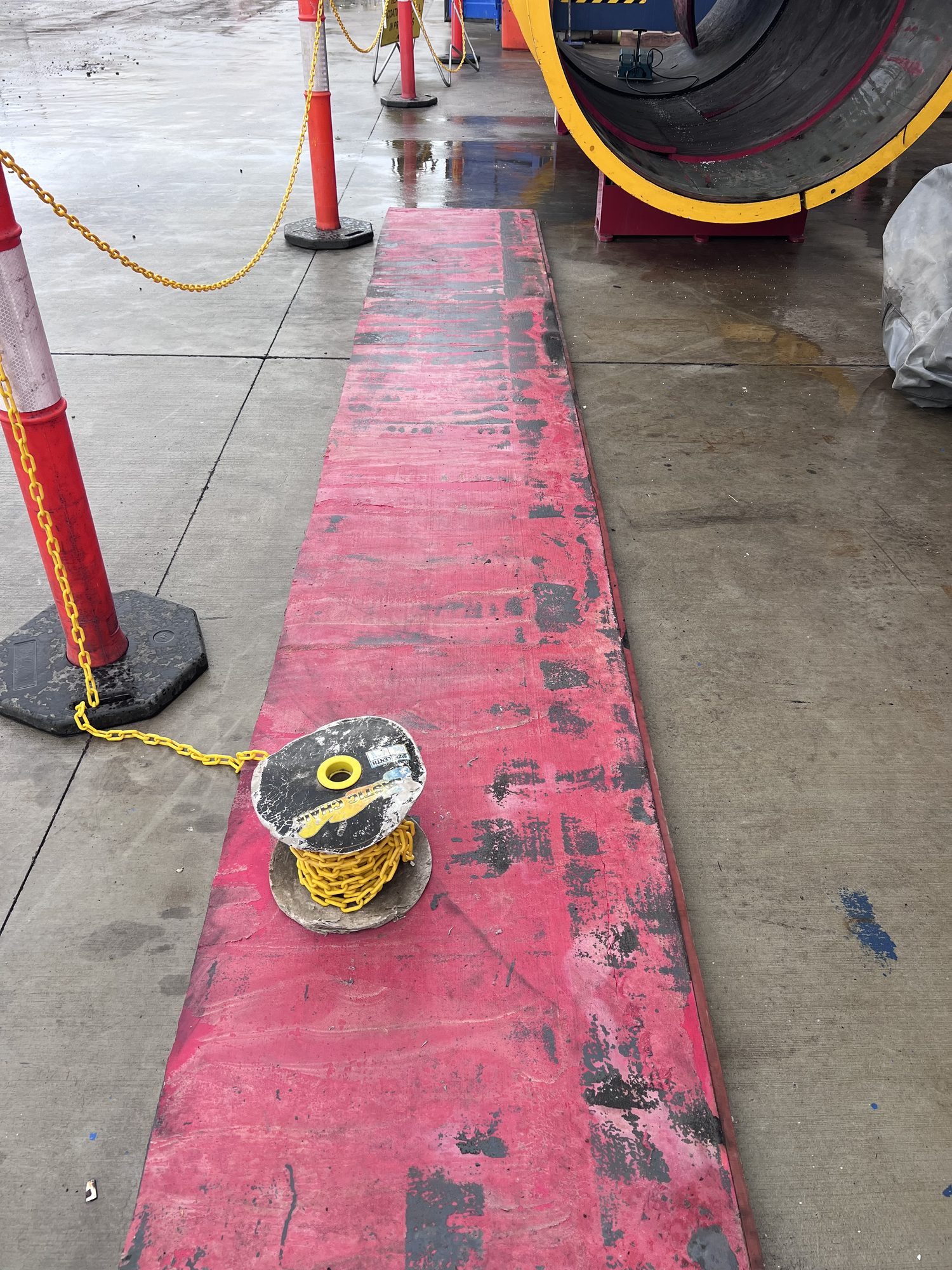
  • Removal of rubber in intact, manageable panels
  • Surface preparation leaving a clean steel bore ready for NDT and relining

Conclusion

RPR induction turned a notoriously gruelling and dangerous workshop task into a fast, precision maintenance procedure, returning the mill shell to service days ahead of schedule.

  • The full internal circumference was stripped in a single shift, compared to several days for four to six boilermakers using conventional methods
  • The steel shell showed zero tool marks, gouging or thermal oxidation, preserving dimensional tolerances
  • Imatech’s inspection team could immediately carry out NDT crack testing and surface preparation
  • No toxic smoke, airborne dust or open flames, keeping the workshop clean, cool and safe
  • Rubber was reclaimed in solid, unburned panels, opening up recycling pathways instead of landfill
  • Eliminating hot work permits, pneumatic gouging and large crews delivered major cost savings and maximised asset availability

Share:

Explore innovation, technology and news from our journey

Explore the latest innovations, project stories, and insights from the ACR Tech team.