

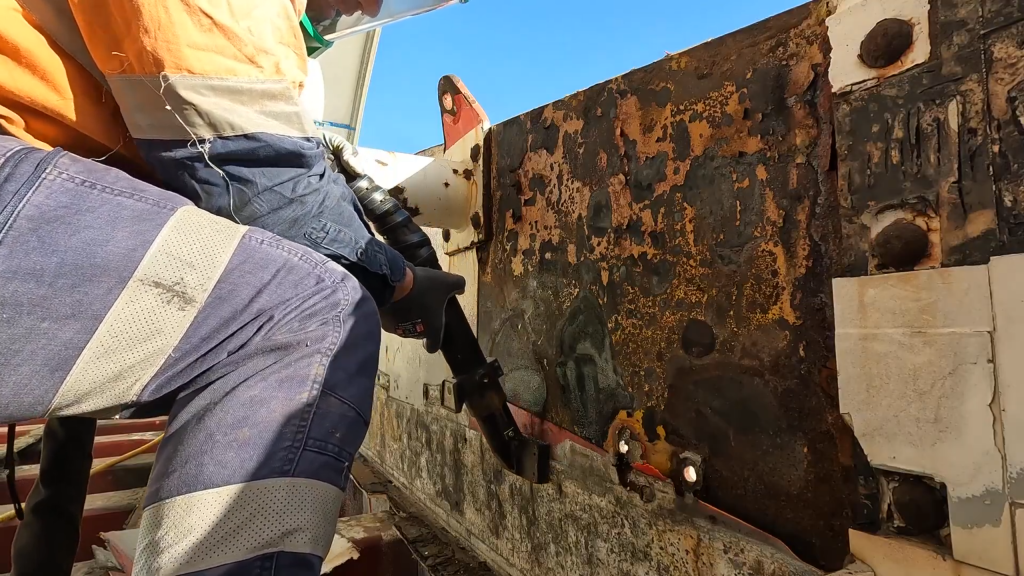
Industrial coatings are designed to protect steel from corrosion, chemicals, moisture, UV exposure, abrasion, and extreme operating conditions. While these protective systems can extend the life of valuable assets for decades, they eventually reach the end of their service life.
Whether a coating has failed due to corrosion, mechanical damage, weathering, or changes in operational requirements, removing it correctly is one of the most important steps before inspection, repair, or recoating.
However, not every coating removal method is suitable for every project. Selecting the wrong approach can damage the steel substrate, create unnecessary waste, increase downtime, or introduce additional safety risks.
This guide explains how industrial coatings are removed from steel, compares the most common removal methods, and outlines the factors engineers, contractors, and asset owners should consider before choosing the right solution.
Why Industrial Coatings Need to Be Removed
Industrial coatings are designed to last—not forever.
Over time, coatings deteriorate because of environmental exposure, mechanical wear, chemical attack, thermal cycling, and natural ageing. Once the protective barrier breaks down, corrosion can begin beneath the coating, often remaining hidden until significant damage has already occurred.
Removing the existing coating allows engineers to:
- Inspect the underlying steel for corrosion or structural defects
- Prepare the surface for a new protective coating system
- Remove hazardous or contaminated coatings
- Restore ageing infrastructure
- Extend asset service life
- Meet maintenance and compliance requirements
In industries such as marine, mining, oil and gas, energy, infrastructure, and heavy manufacturing, proper coating removal is often a critical step in planned maintenance programs.
Common Types of Industrial Coatings Found on Steel
Before selecting a removal method, it’s important to identify the coating system involved.
Common industrial coatings include:
- Epoxy coatings
- Polyurethane coatings
- Zinc-rich primers
- Coal tar epoxy
- Fireproofing coatings
- Rubber linings
- Protective marine coatings
- High-build industrial paint systems
Each coating behaves differently during removal, meaning no single method is ideal for every application.
Factors That Influence the Best Removal Method
Several variables determine which coating removal process is most appropriate.
These include:
- Type of coating
- Coating thickness
- Steel condition
- Surface profile requirements
- Presence of hazardous materials
- Environmental restrictions
- Accessibility
- Project timeline
- Waste disposal requirements
- Asset downtime
The best solution balances productivity, safety, cost, environmental impact, and final surface quality.
Common Methods for Removing Industrial Coatings from Steel
Several technologies are used across the industrial sector to remove protective coatings from steel. Each method offers different advantages depending on the coating type, project environment, surface condition, and operational requirements.
Understanding how each method works helps asset owners and contractors select the most appropriate solution for their project.
1. Abrasive Blasting
Abrasive blasting—commonly known as sandblasting—is one of the oldest and most widely used coating removal methods. It removes coatings by propelling abrasive media at high speed against the steel surface.
Today, true sand is rarely used due to health concerns. Instead, contractors typically use garnet, steel grit, aluminium oxide, or other engineered abrasives.
Advantages
- Fast for large open surfaces
- Produces an anchor profile suitable for recoating
- Familiar method used across many industries
- Suitable for heavily corroded steel
Limitations
- Generates large volumes of dust and abrasive waste
- Requires significant containment on many projects
- Can damage the steel substrate if not carefully controlled
- Creates considerable cleanup and disposal costs
- Less suitable in environmentally sensitive or confined locations
For these reasons, many asset owners now evaluate alternative technologies where dust reduction, waste minimisation, or substrate preservation are priorities.
2. Chemical Stripping
Chemical stripping removes coatings by applying specialised solvents or chemical formulations that soften or dissolve the coating before mechanical removal.
This method is often selected when abrasive blasting could damage delicate substrates or where dust generation must be minimised.
Advantages
- Minimal mechanical damage to steel
- Effective on complex coating systems
- Useful for intricate geometries
- Lower airborne dust generation
Limitations
- Slower than many mechanical methods
- Chemical handling requires strict safety procedures
- Waste chemicals require specialist disposal
- Environmental regulations may restrict use
- Multiple applications may be required for thick coatings
Chemical stripping is commonly used for specialised applications but may not be practical for large-scale industrial maintenance projects.
3. Mechanical Grinding
Mechanical grinding removes coatings through direct abrasion using grinders, wire wheels, flap discs, or rotary tools.
It is typically used for spot repairs rather than complete asset remediation.
Advantages
- Readily available equipment
- Suitable for localised repairs
- Low equipment costs
- Effective for small maintenance tasks
Limitations
- Labour intensive
- Slow on large assets
- Difficult to achieve consistent surface preparation
- Higher risk of damaging the steel surface
- Generates sparks, noise, and airborne dust
For large industrial assets, grinding is generally considered a supplementary method rather than the primary removal process.
4. Ultra High-Pressure Water Jetting
Ultra High Pressure (UHP) water jetting removes coatings using extremely high-pressure water, often exceeding 40,000 PSI.
Rather than abrasive media, pressurised water breaks the bond between the coating and the steel surface.
Advantages
- Minimal airborne dust
- No abrasive media required
- Lower waste volumes
- Suitable where contamination control is critical
- Can reduce cleanup requirements
Limitations
- Significant water management requirements
- Wet waste must be collected and treated
- Some coating systems require multiple passes
- Equipment requires specialised operators
- Surface drying may extend project schedules
UHP water jetting has become increasingly popular where environmental compliance is a major consideration.
5. Induction Coating Removal
Induction coating removal represents a modern alternative to traditional abrasive methods.
Instead of blasting or grinding the coating away, induction technology uses controlled electromagnetic heating to break the bond between the coating and the steel substrate. Once the bond is released, the coating can often be lifted away in large sections rather than fragmented into dust.
This significantly reduces airborne contamination while preserving the integrity of the underlying steel.
The technology has been successfully used across industries including:
- Marine
- Oil and gas
- Mining
- Energy
- Heavy infrastructure
- Storage tanks
- Pipelines
- Offshore facilities
It is particularly effective on high-performance industrial coating systems such as epoxy coatings, polyurethane coatings, rubber linings, passive fire protection systems, and other heavy-duty protective coatings.
Advantages
- Minimal dust generation
- No abrasive blasting media required
- Reduced secondary waste
- Lower risk of substrate damage
- Improved visibility during removal
- Faster cleanup after coating removal
- Suitable for environmentally sensitive projects
Because the process targets the bond between the coating and the steel rather than aggressively abrading the surface, induction technology is increasingly being specified for projects where safety, environmental performance, and asset preservation are critical considerations.
How to Choose the Right Coating Removal Method
No single coating removal method is ideal for every project. The right solution depends on the condition of the asset, the coating system being removed, project constraints, and long-term maintenance objectives.
Before selecting a removal method, engineers and project managers should consider the following factors.
1. Type of Coating
Different coating systems respond differently to removal techniques.
For example, epoxy coatings, polyurethane systems, rubber linings, and passive fire protection coatings each require different levels of energy to separate them from the steel substrate. Choosing a method designed for the coating type improves productivity while reducing unnecessary damage.
2. Condition of the Steel
The condition of the underlying steel is just as important as the coating itself.
If corrosion has already developed beneath the coating, the removal process should expose the surface without causing additional substrate loss. Preserving the integrity of the steel is especially important on ageing infrastructure, pressure vessels, bridges, and offshore assets.
3. Environmental Requirements
Many industrial projects now operate under strict environmental regulations.
Factors such as airborne dust, hazardous waste generation, noise, and contamination control may influence which removal technologies are suitable. This is particularly important for projects located near waterways, populated areas, operational facilities, or environmentally sensitive sites.
4. Safety Considerations
Worker safety should remain a primary consideration throughout every coating removal project.
Potential hazards may include:
- Airborne dust
- Hazardous coating materials
- Heat exposure
- Confined spaces
- Noise
- Flying debris
- Chemical exposure
Selecting an appropriate removal method can significantly reduce project risk while improving overall site safety.
5. Downtime Requirements
Every additional day an asset remains offline represents lost productivity.
Where shutdown windows are limited, faster coating removal methods can reduce maintenance schedules and help assets return to service sooner. Productivity should always be balanced with coating quality, safety, and environmental performance.
6. Waste Management
Traditional coating removal methods can generate significant volumes of abrasive media, contaminated debris, wastewater, or chemical waste.
Reducing waste not only lowers disposal costs but can also simplify project logistics and minimise environmental impact.
Why More Industrial Projects Are Moving Towards Modern Coating Removal Technologies
Industrial maintenance has changed significantly over the past decade.
Asset owners are no longer evaluating coating removal methods based solely on speed. Today’s projects must also consider worker safety, environmental compliance, waste reduction, asset preservation, and total project costs.
As a result, many organisations are adopting technologies that minimise disruption while maintaining high levels of performance.
Induction coating removal is one example of this shift.
Rather than relying on aggressive abrasion or chemical reactions, the technology separates the coating from the steel by breaking the bond between the two materials through controlled induction heating. This allows coatings to be removed more cleanly while reducing dust generation and secondary waste.
For industries managing critical infrastructure, offshore facilities, storage tanks, pipelines, marine assets, and heavy industrial equipment, this approach can improve maintenance efficiency while helping preserve valuable steel assets.
Companies such as Australian Coating Removal (ACR) specialise in delivering induction coating removal services for large-scale industrial projects across Australia and internationally. By combining experienced field crews with RPR induction technology, ACR focuses on coating removal solutions that prioritise safety, productivity, and substrate preservation for complex industrial assets. This aligns with ACR’s positioning as a specialist contractor deploying advanced induction coating removal technology across sectors including mining, marine, energy, oil and gas, and infrastructure.
Frequently Asked Questions
What is the best way to remove industrial coatings from steel?
The best method depends on the coating type, project requirements, environmental constraints, and the condition of the steel. Common methods include abrasive blasting, chemical stripping, mechanical grinding, ultra-high-pressure water jetting, and induction coating removal.
Can coating removal damage steel?
Yes. Some aggressive removal methods can alter the steel surface if not properly controlled. Selecting the appropriate technique and using experienced operators helps minimise substrate damage.
Is abrasive blasting still widely used?
Yes. Abrasive blasting remains a common industrial coating removal method because it is effective on many large-scale projects. However, some projects now specify alternative technologies where dust reduction, waste minimisation, or substrate preservation are priorities.
What industries require industrial coating removal?
Industrial coating removal is commonly performed in:
- Marine
- Mining
- Oil and gas
- Energy
- Infrastructure
- Manufacturing
- Water treatment
- Offshore facilities
Conclusion
Removing industrial coatings from steel is about far more than stripping away old paint. The right removal method helps protect the steel substrate, supports effective inspections and repairs, and creates the ideal foundation for a new protective coating system.
While traditional methods such as abrasive blasting, grinding, chemical stripping, and water jetting continue to play an important role, modern technologies like induction coating removal are providing new options for projects where safety, environmental performance, waste reduction, and substrate preservation are key priorities.
By understanding the strengths and limitations of each approach, asset owners, engineers, and contractors can select the coating removal method that best meets their operational, technical, and commercial objectives.


