RG Tanna Coal Terminal

Results

5,000m² of toxic coal tar epoxy stripped over tidal waters, up to four times faster than blasting with zero grit waste.
m² of hazardous marine coating removed
0
Faster than conventional blasting
0 x
Abrasive media in the marine environment
0

Solution

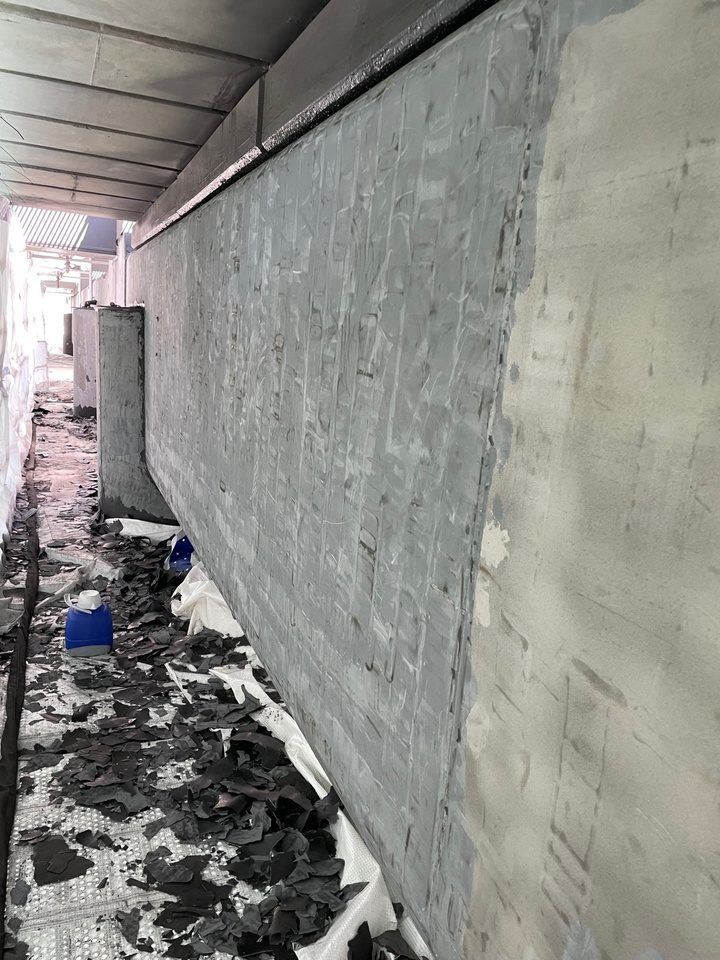
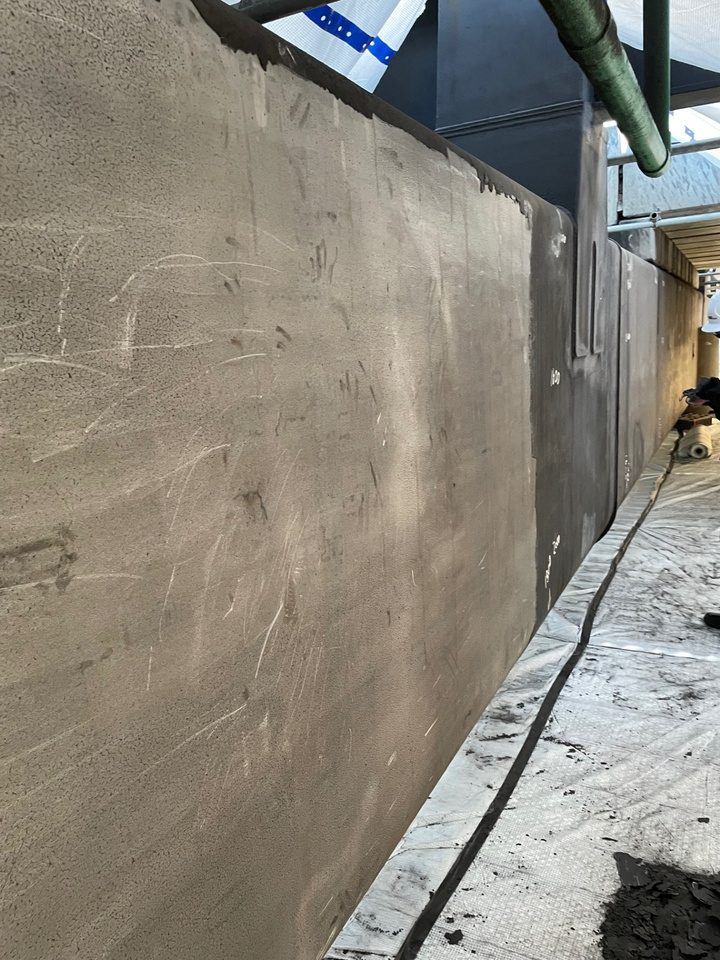
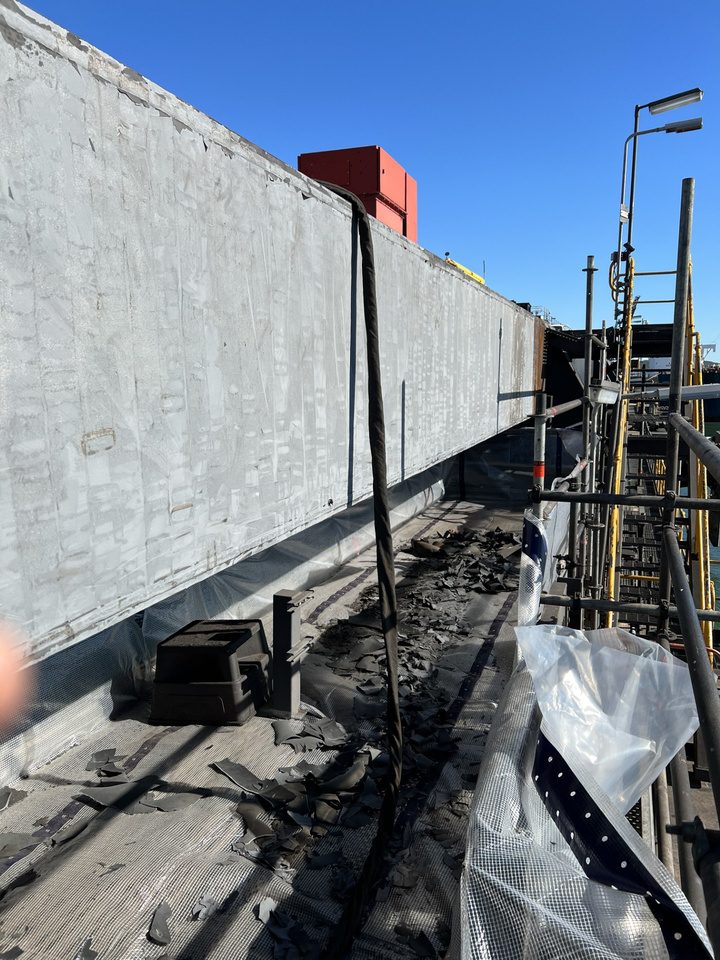
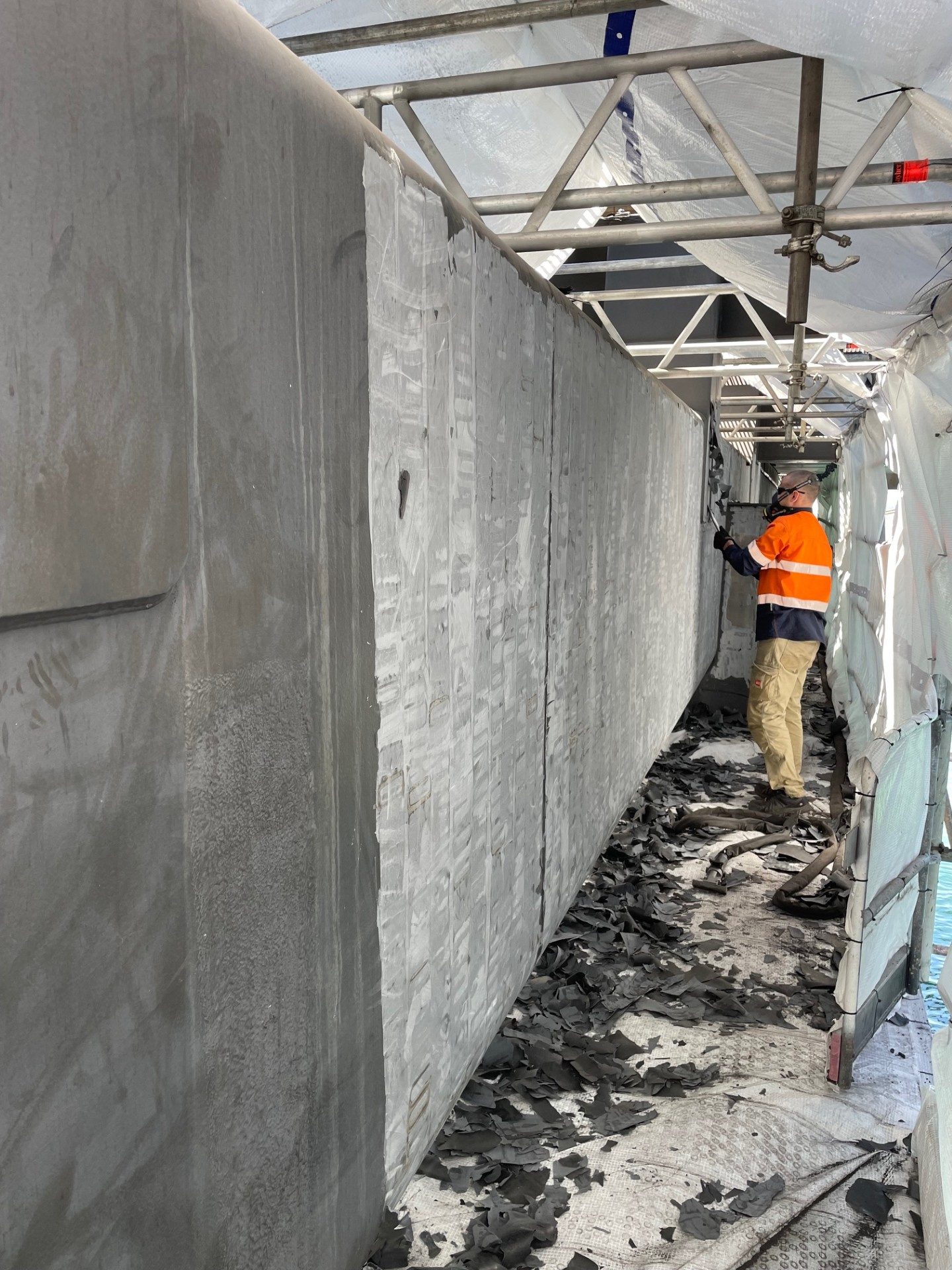
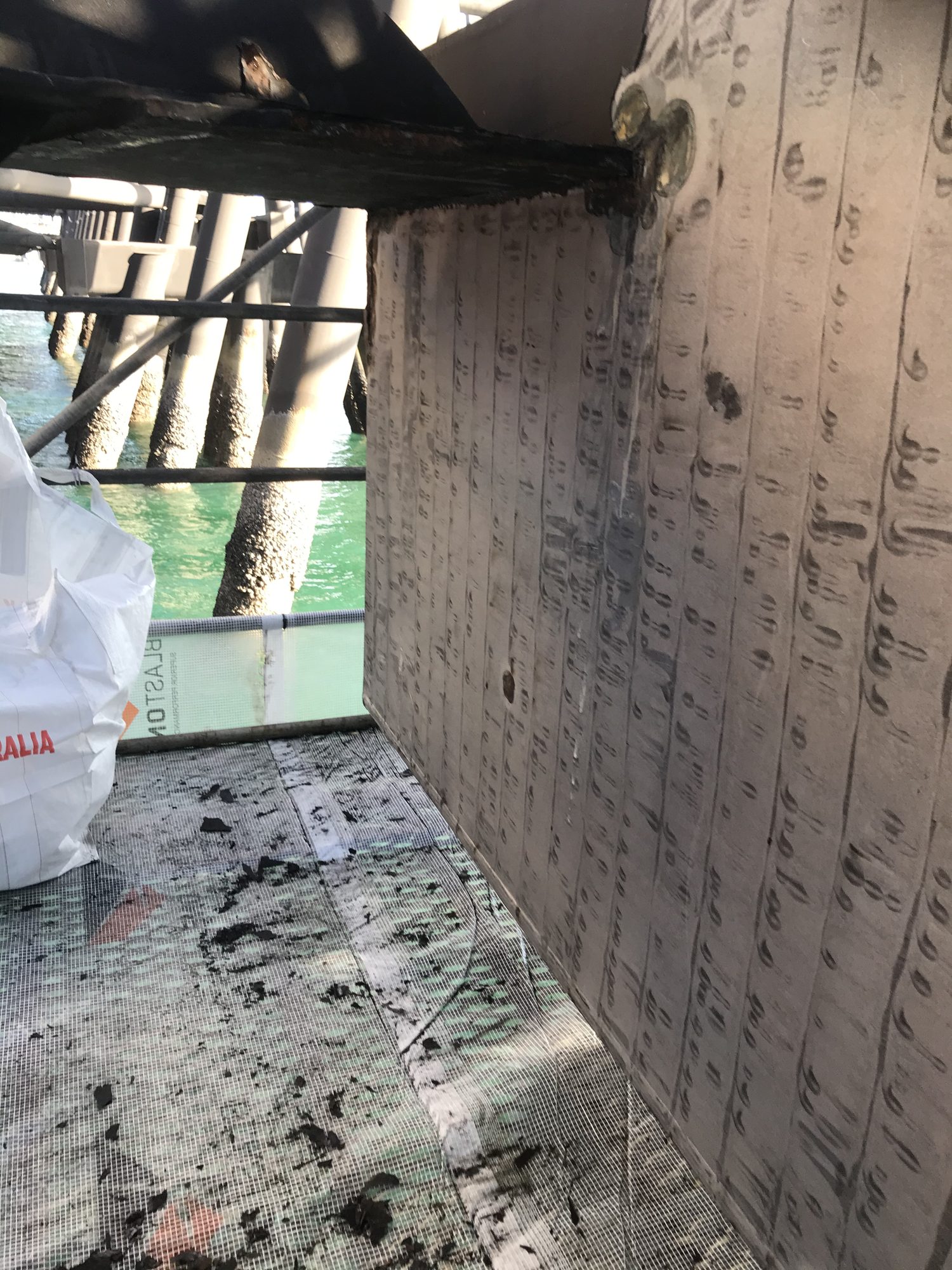
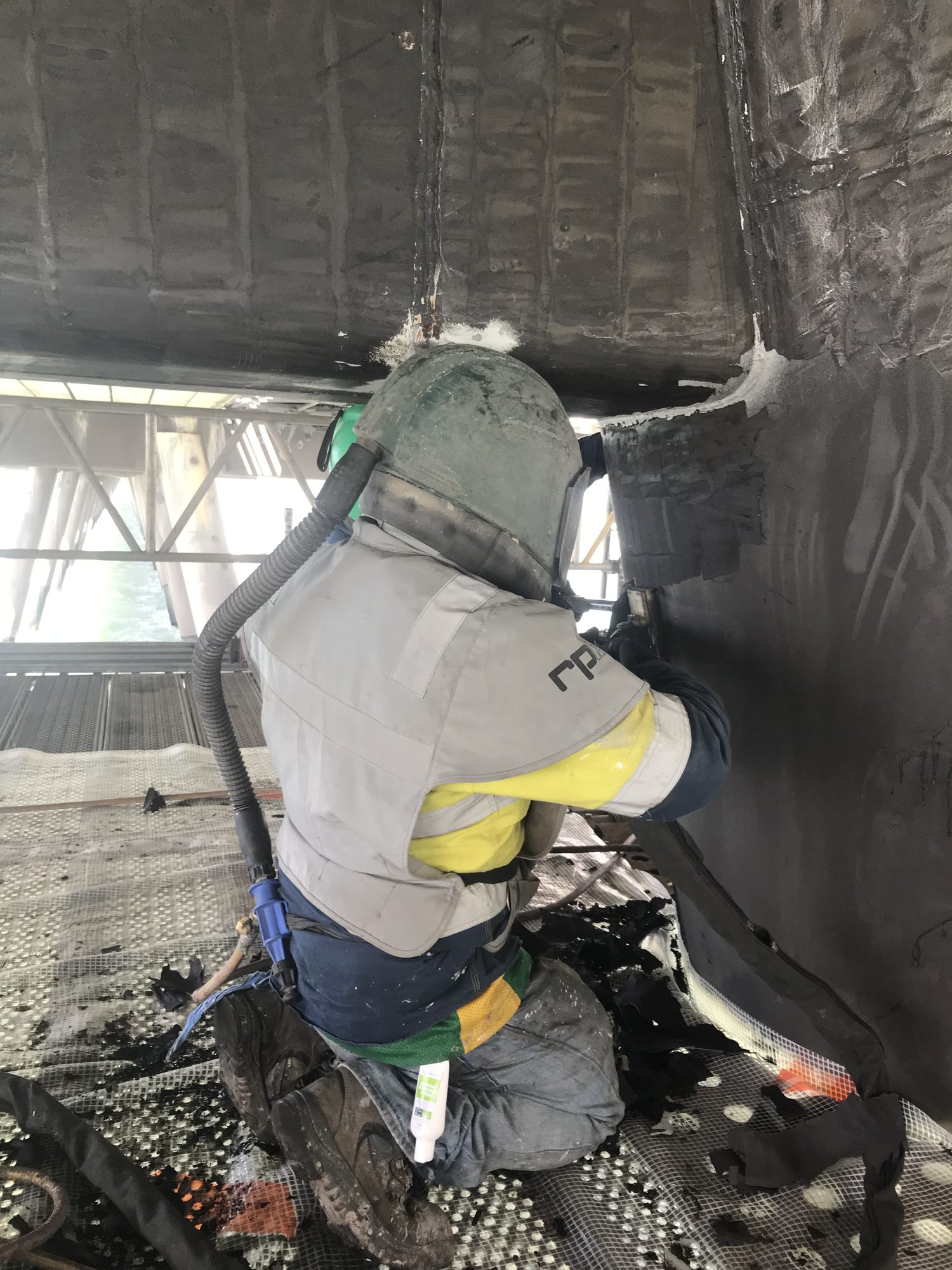
Multiple RPR units disbonded the 1 to 3mm coating in large, intact sheets with no blasting or airborne dust.

Coating dropped onto suspended tarpaulins and was recovered dry in sealed drums, keeping the harbour completely clean.

Project Overview

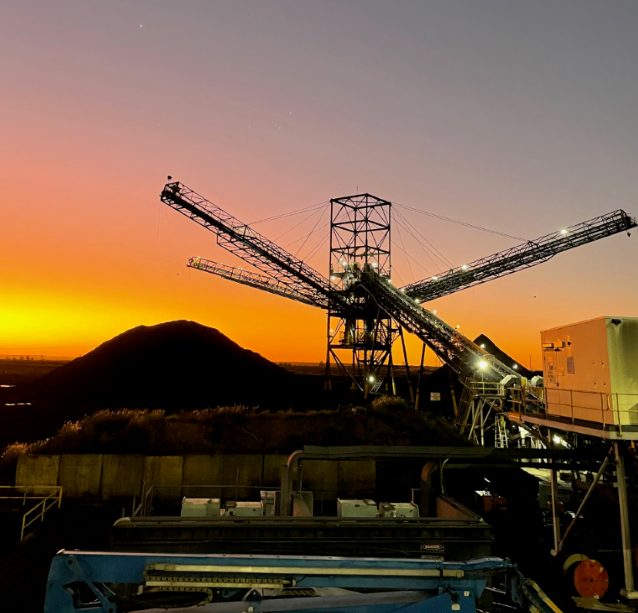
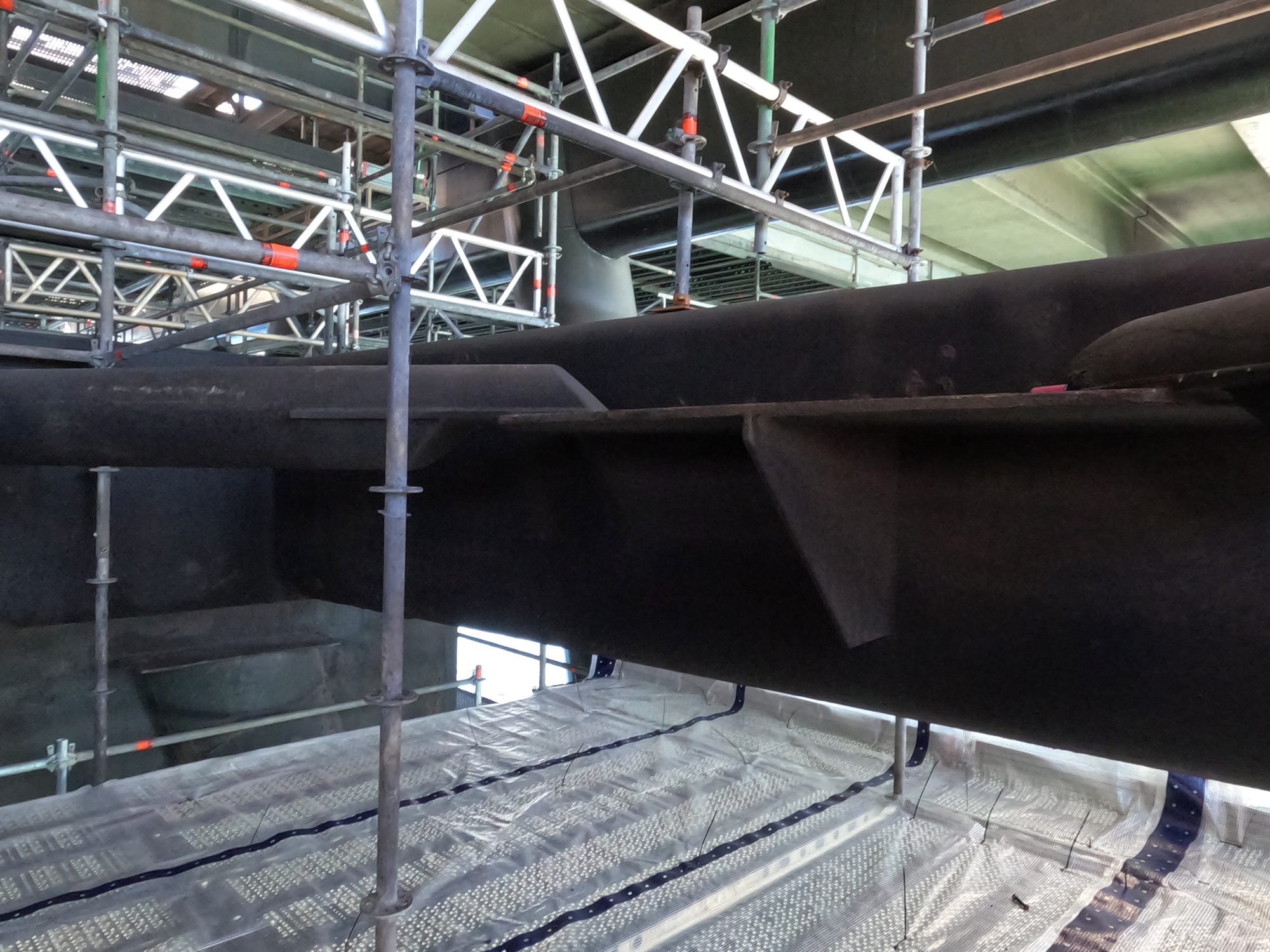
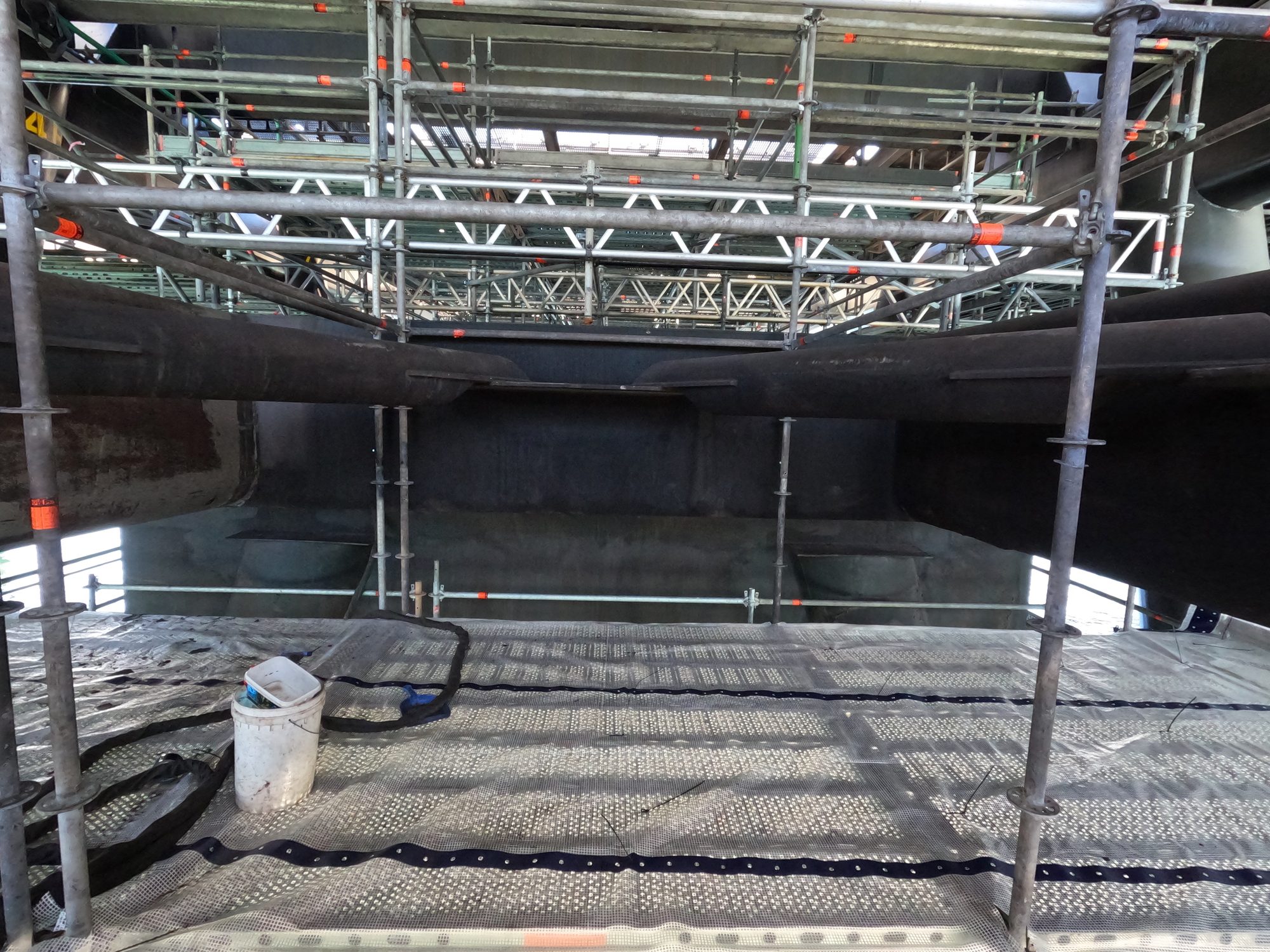
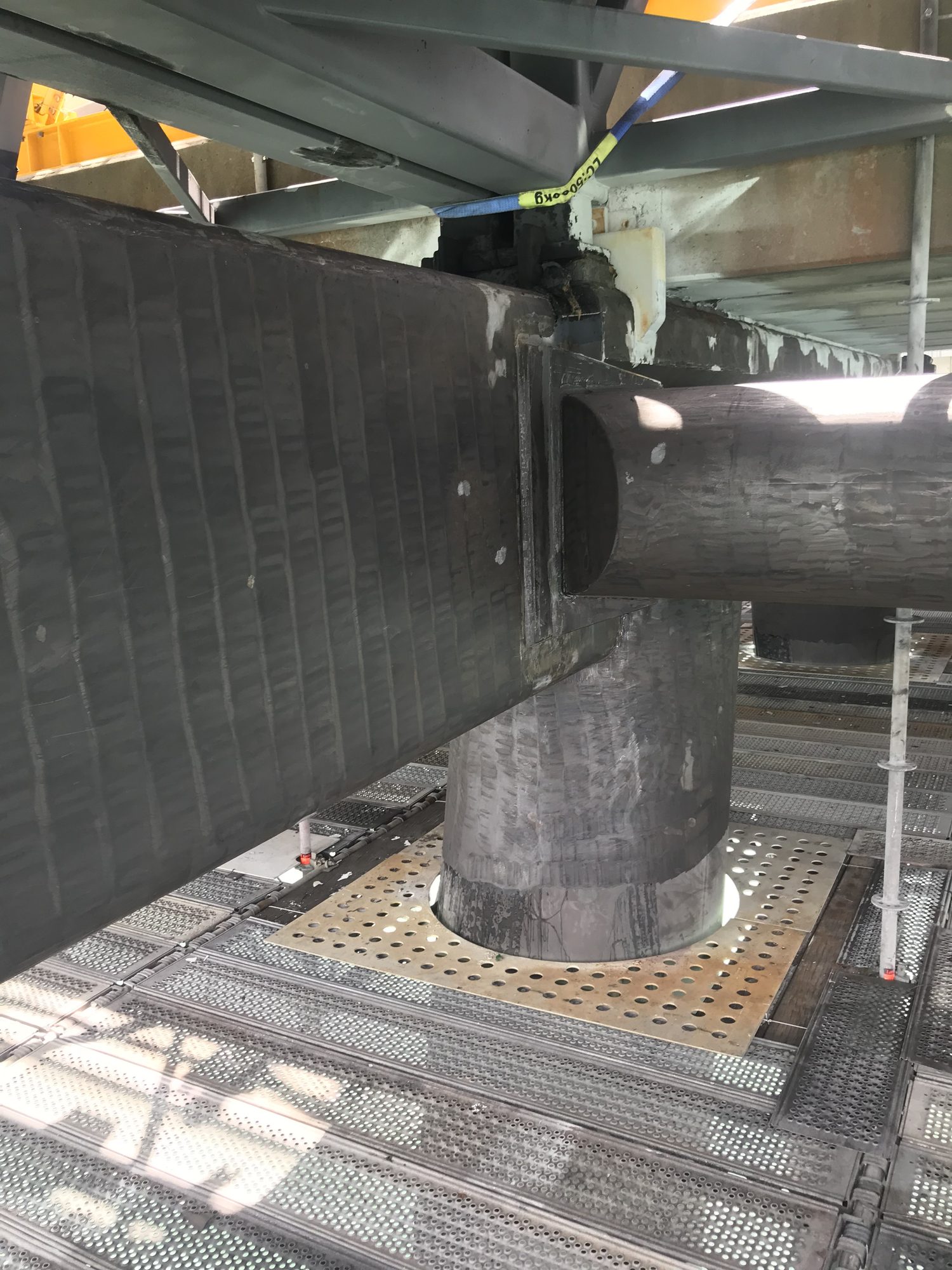
The RG Tanna Coal Terminal at the Port of Gladstone is one of Australia’s largest bulk coal export facilities, operating around the clock in an aggressive subtropical marine environment. As part of an ongoing life-extension and wharf refurbishment programme, head contractor Downer was tasked with removing severely degraded coatings from approximately 5,000m² of structural steel headstocks, cross-beams and support piles.

The existing system was heavy industrial coal tar epoxy, applied at 1,000 to 3,000 microns (1 to 3mm) thick, positioned directly over the tidal waters of Gladstone Harbour.

  • Coal tar epoxy contains hazardous polycyclic aromatic hydrocarbons (PAHs), classifying the coating and any debris as toxic industrial waste
  • No contaminants whatsoever could be released into the harbour
  • Open abrasive blasting would have required fully encapsulated, negative-pressure scaffold containment hung beneath the wharf deck
  • Containment over tidal waters is vulnerable to wind and wave action, costly to install and generates hundreds of tonnes of contaminated blast media
  • High-pressure water jetting would have produced hundreds of thousands of litres of contaminated runoff that could not be legally discharged
  • Wet methods also leave steel prone to immediate flash rusting in the humid coastal atmosphere
  • Downer required a high-production, dry-stripping method that eliminated blast media and protected the marine ecosystem

Services Included

  • RPR induction coating removal
  • Hazardous coal tar epoxy removal
  • Multiple RPR units deployed for overhead and vertical surfaces
  • Dry, abrasive-free removal over sensitive marine waters
  • Waste capture using suspended catch tarpaulins
  • Dry recovery and drumming of toxic coating waste
  • Surface preparation leaving clean steel ready for inspection and recoating

Conclusion

RPR induction turned a high-risk marine environmental liability into a clean, controlled and predictable engineering operation at RG Tanna.

  • Removal speeds up to four times faster than conventional blasting on heavy-build coatings
  • Coating peeled away in large, intact sheets with no airborne particulates
  • No abrasive grit, saving Downer and the port authority from handling and disposing of tonnes of contaminated blast media
  • Steel left free of coal tar residue, with no scoring, loss of section or thermal distortion
  • Dustless, quiet operation allowed welders, concrete remediators and riggers to work safely in adjacent bays without exclusion zones
  • No abrasive grit entering sensitive wharf conveyor machinery

Share:

Explore innovation, technology and news from our journey

Explore the latest innovations, project stories, and insights from the ACR Tech team.