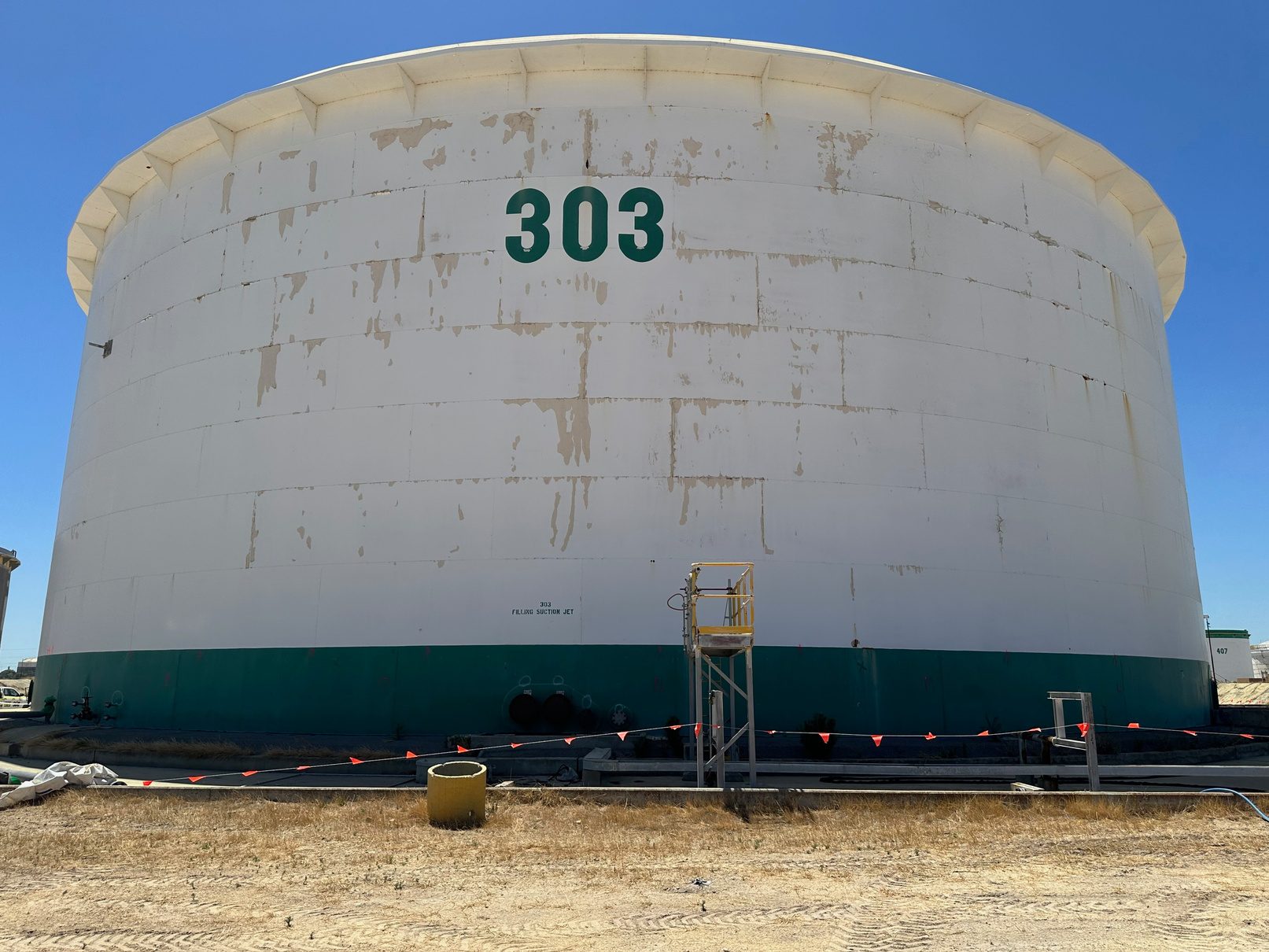
BP Kwinana Energy Hub: Tank 303

Results

Lead paint stripped from a live fuel storage tank with no sparks, no dust and no scaffolding, while refinery operations continued.
Less hazardous waste than abrasive blasting
0 %
Airborne lead dust emissions
0
Scaffold encapsulation required
0

Solution

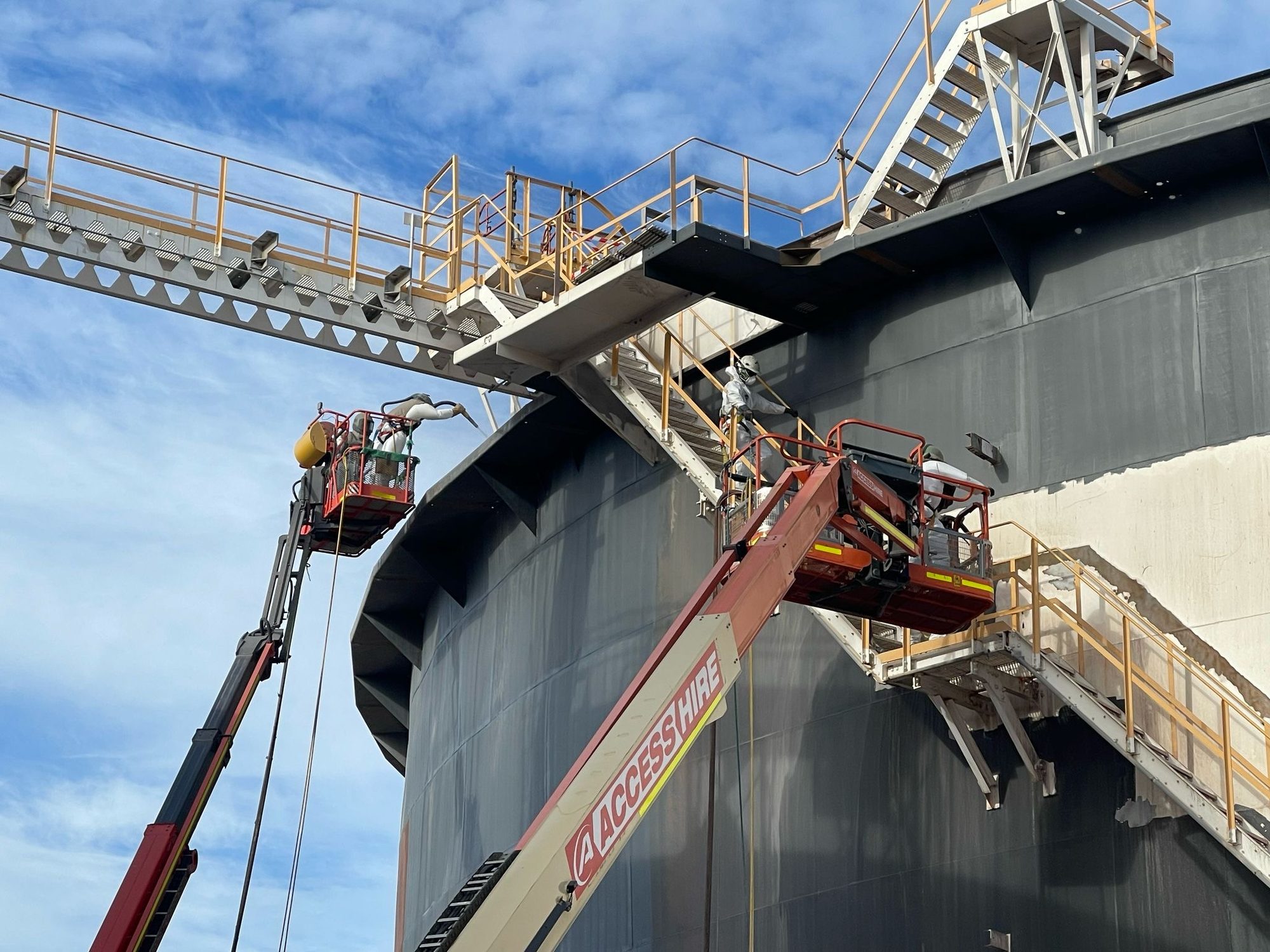
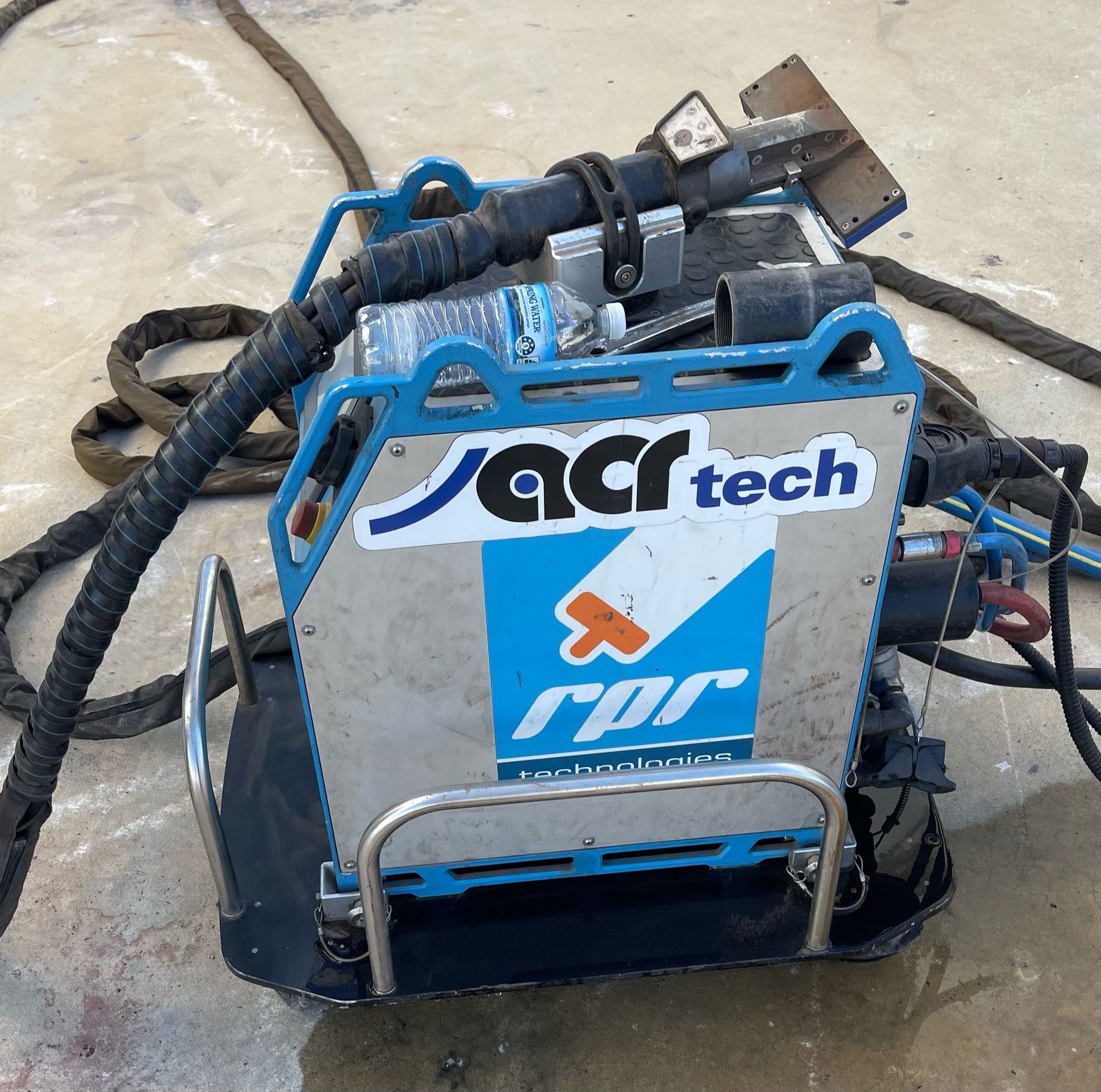
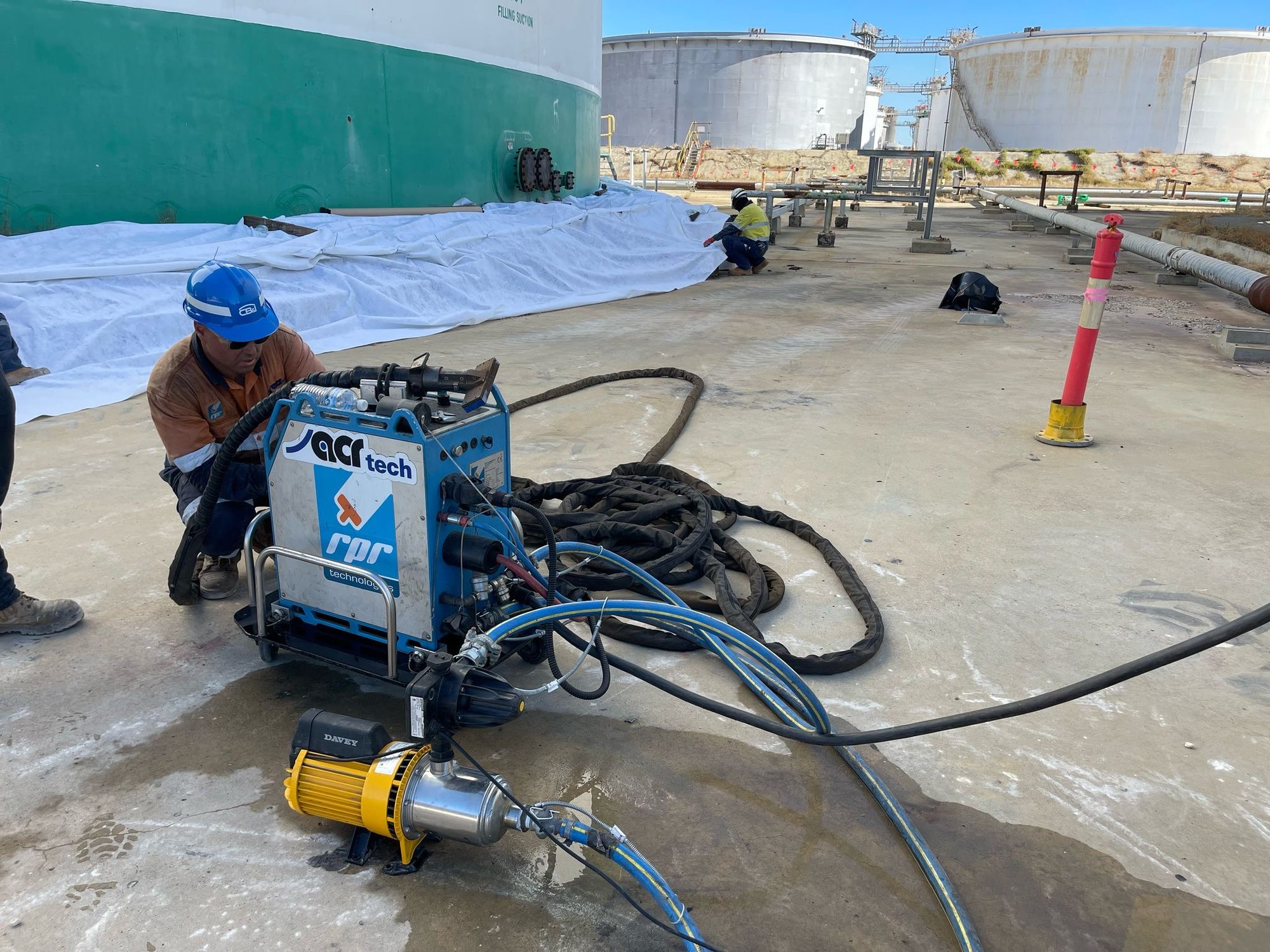
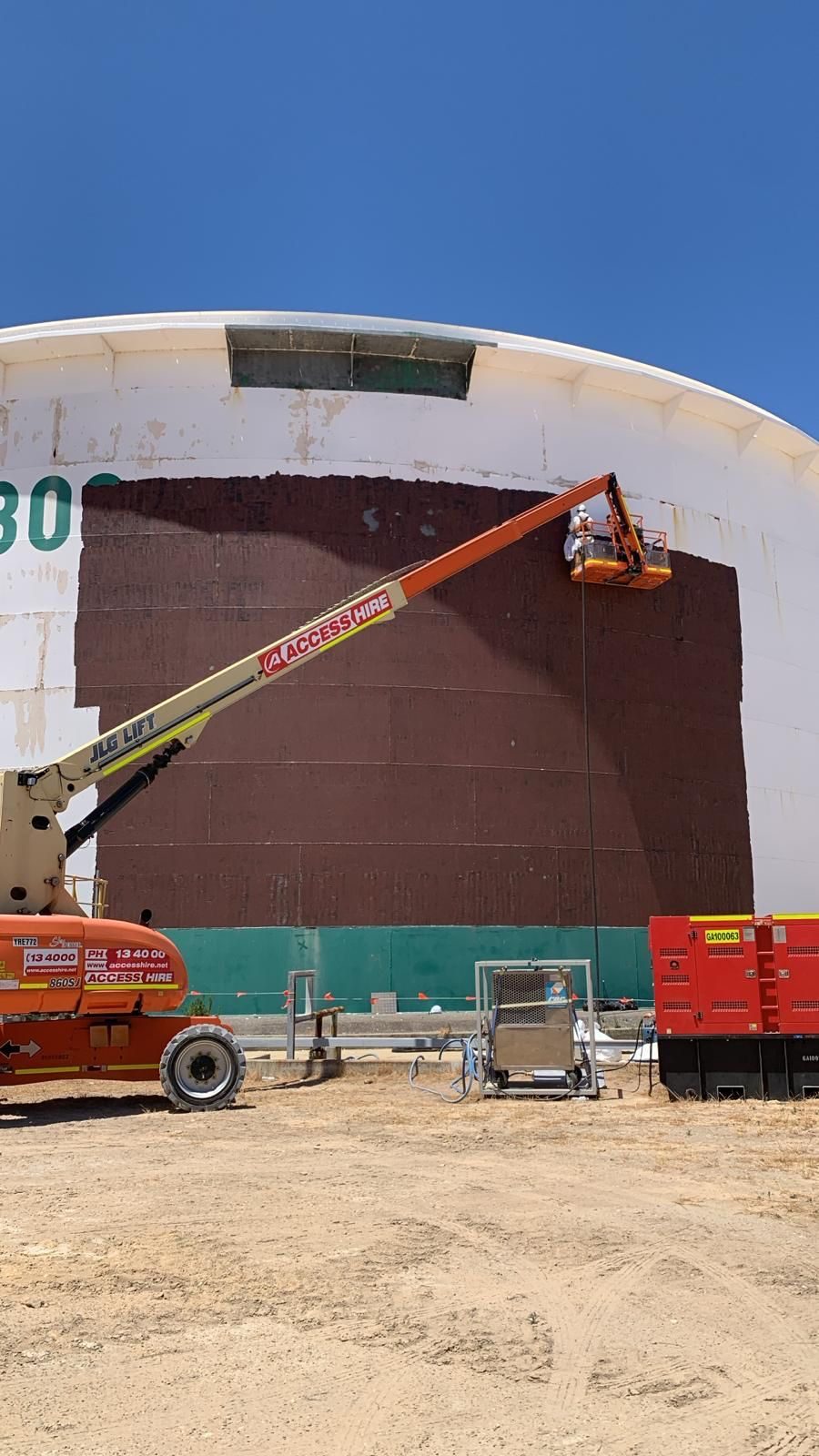
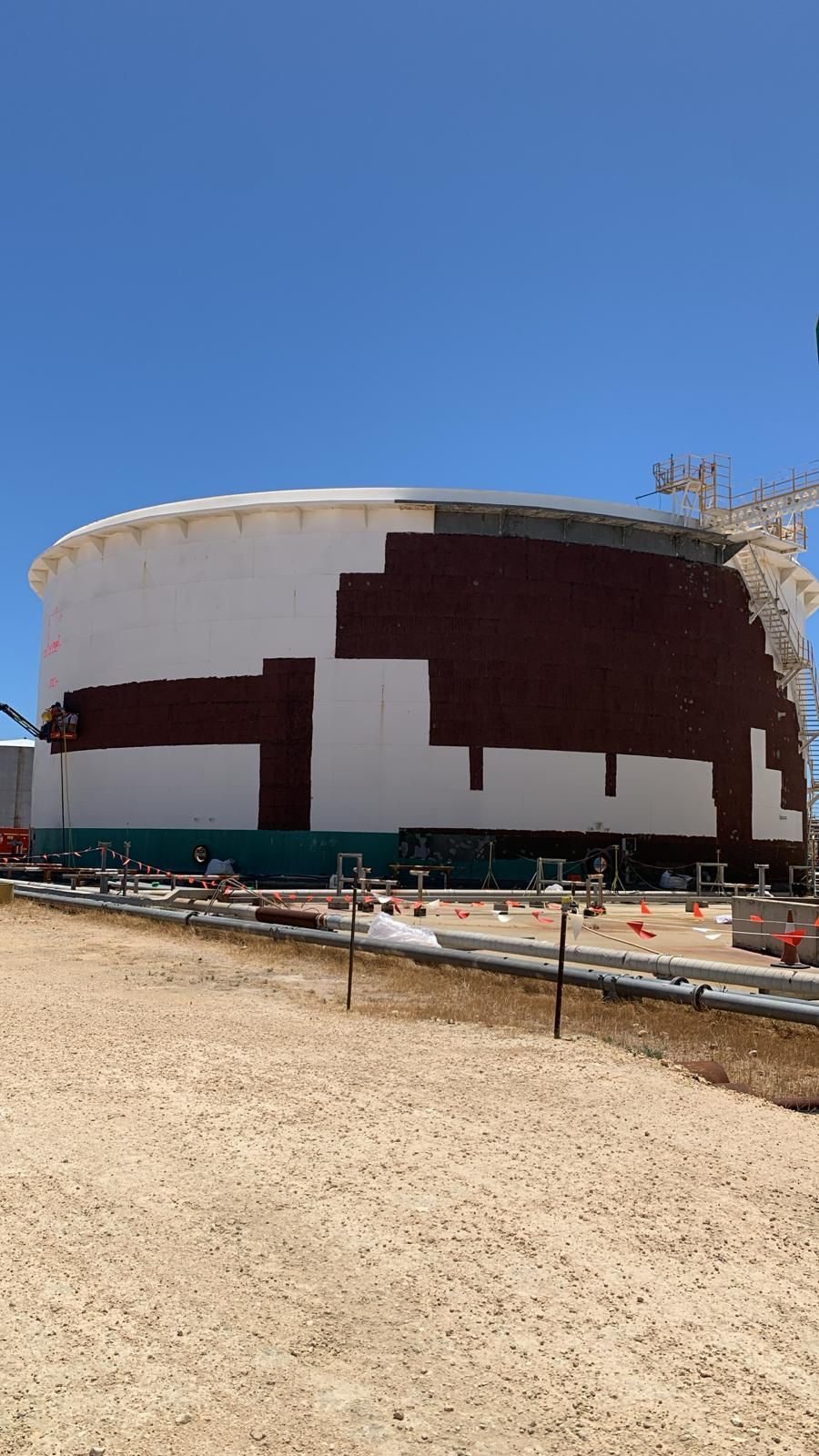
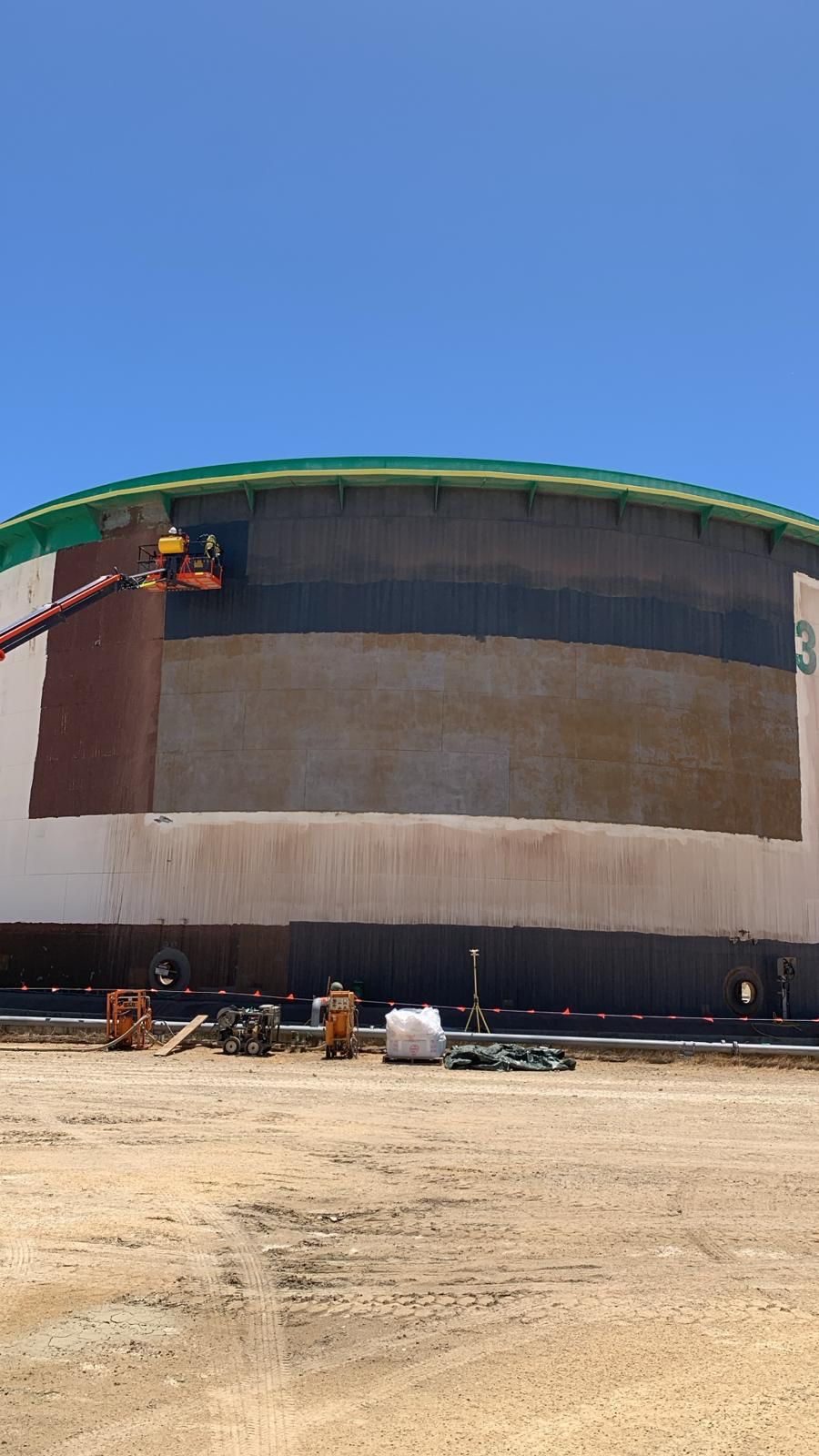
Mobile RPR induction system disbonded the lead coating in solid, non-respirable sheets with zero airborne dust.

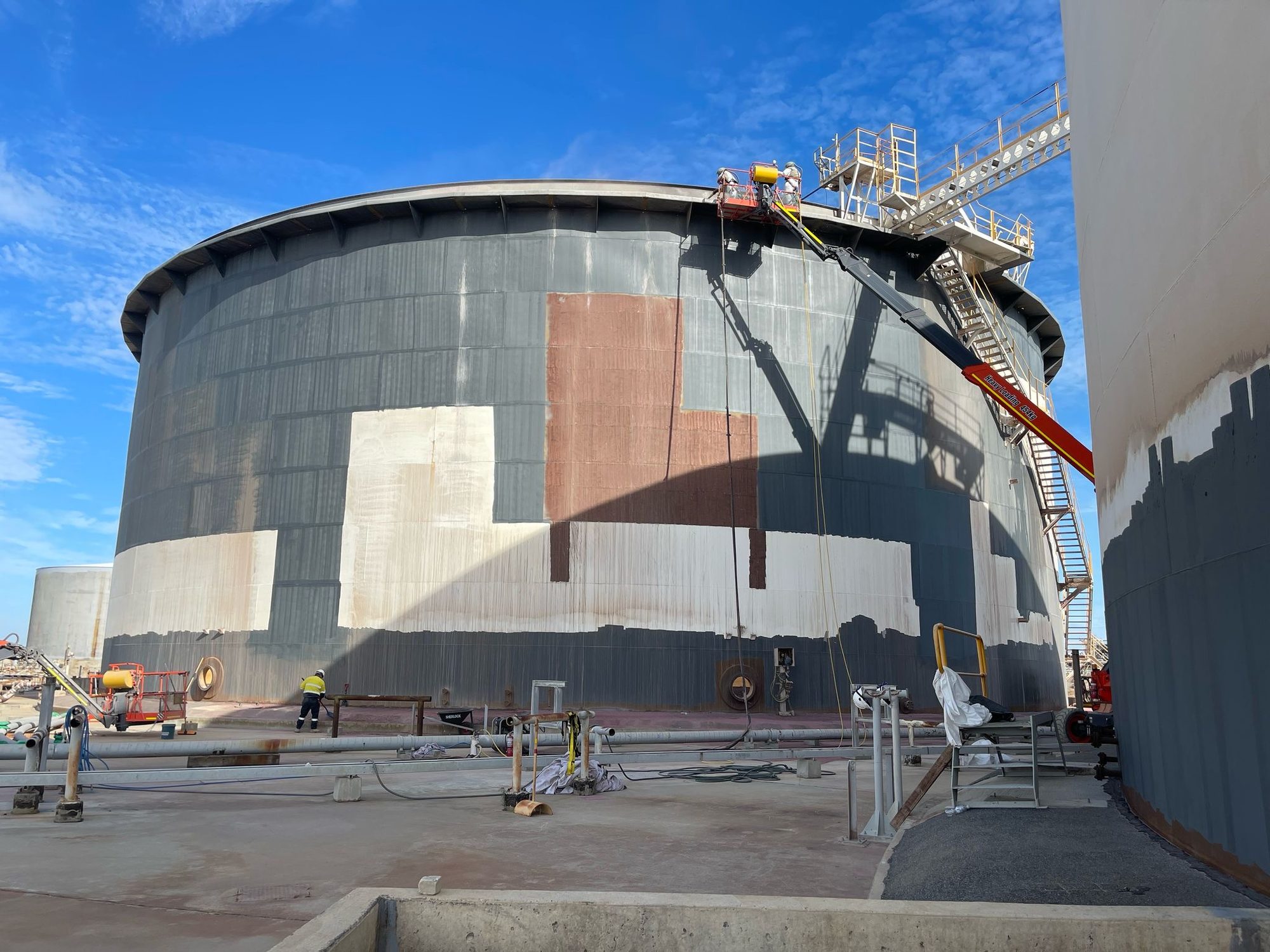
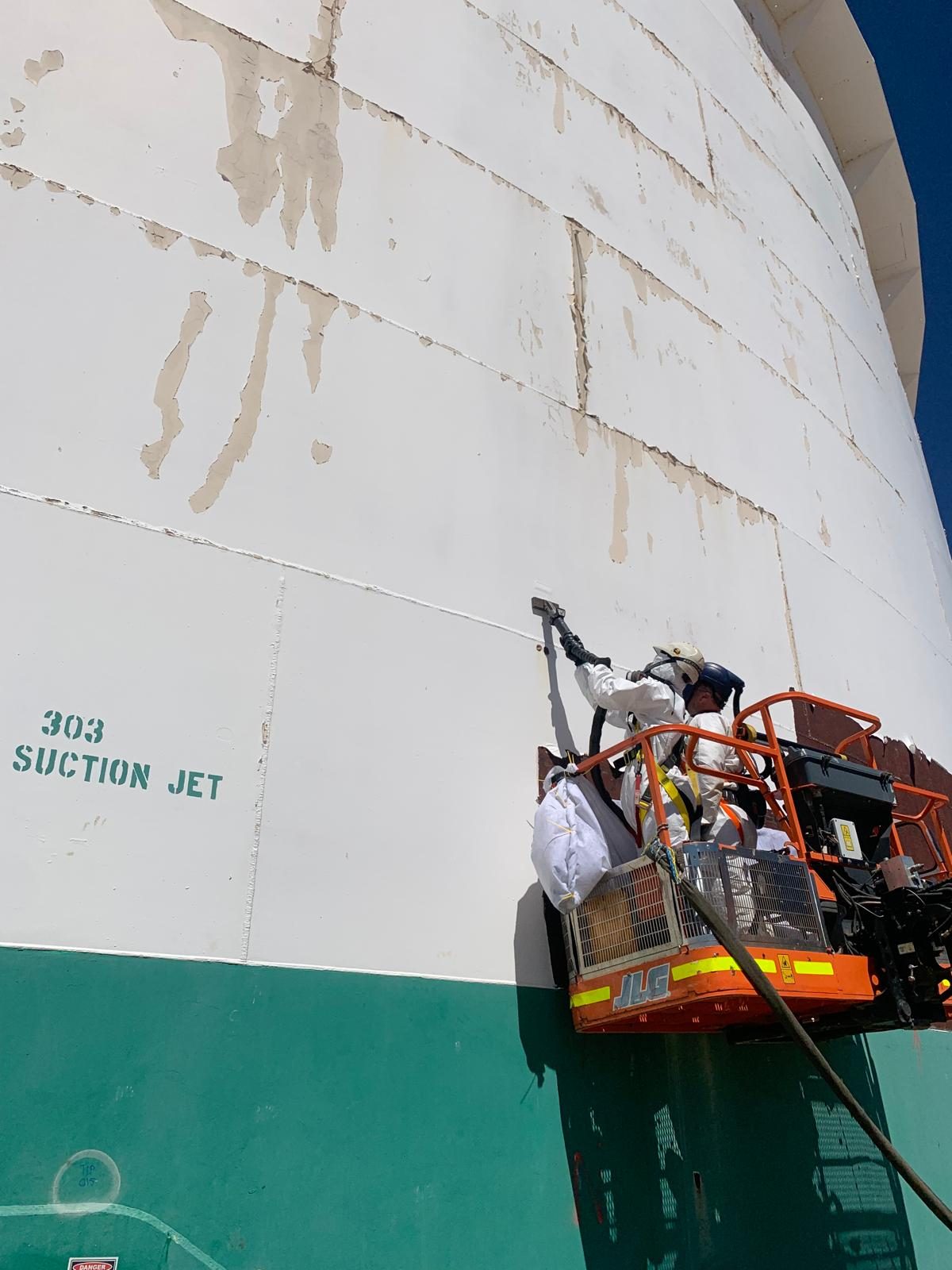
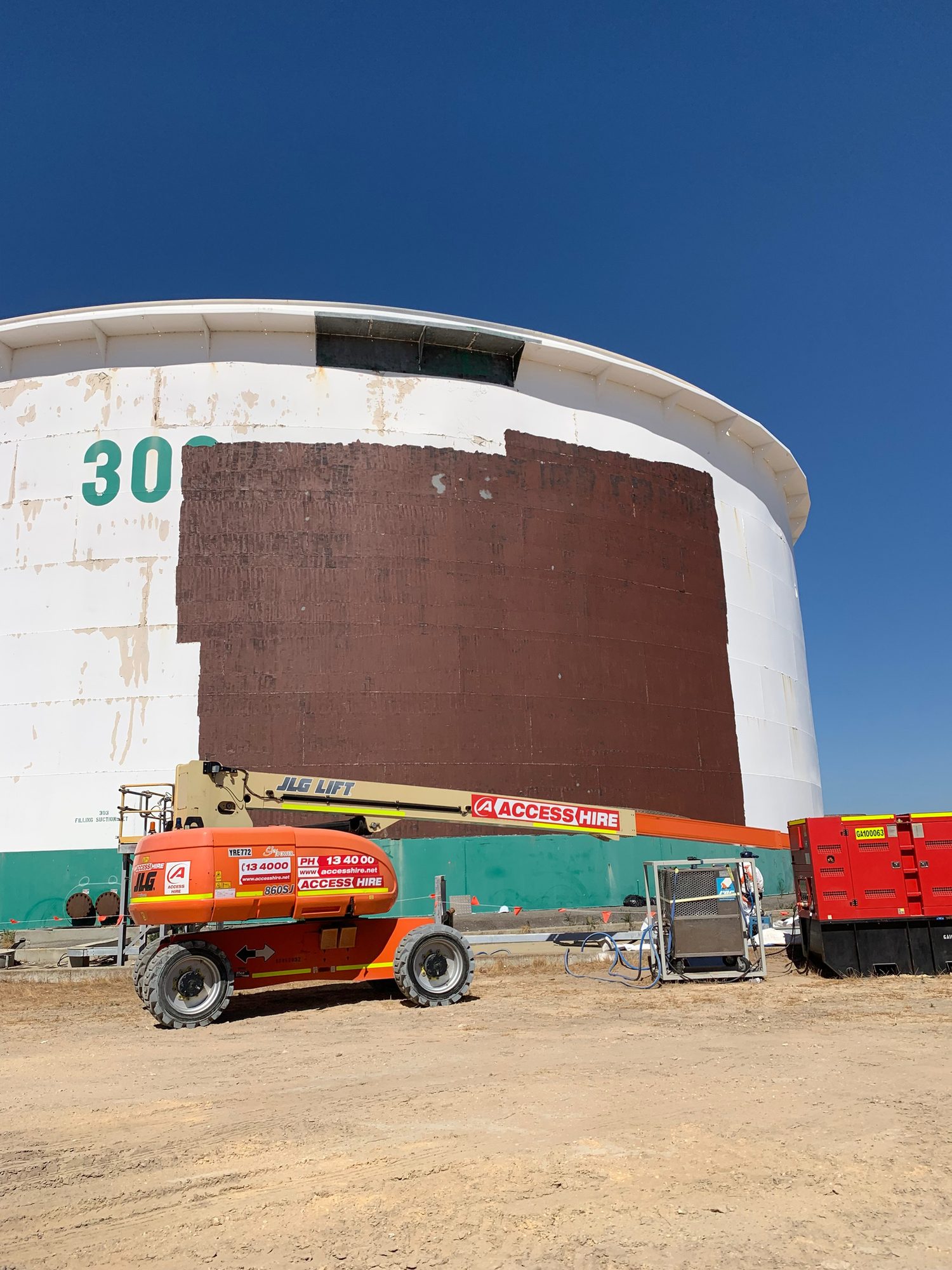
Boom lifts replaced full-height scaffold encapsulation, saving weeks of setup and hundreds of thousands in access hire.

Project Overview

The BP Kwinana Energy Hub in Western Australia is a critical piece of national fuel infrastructure, handling large volumes of liquid hydrocarbons under strict safety and environmental protocols. As part of an ongoing asset integrity and corrosion prevention campaign, BP scheduled Tank 303, a large vertical cylindrical bulk storage tank, for complete external coating removal and recoating.

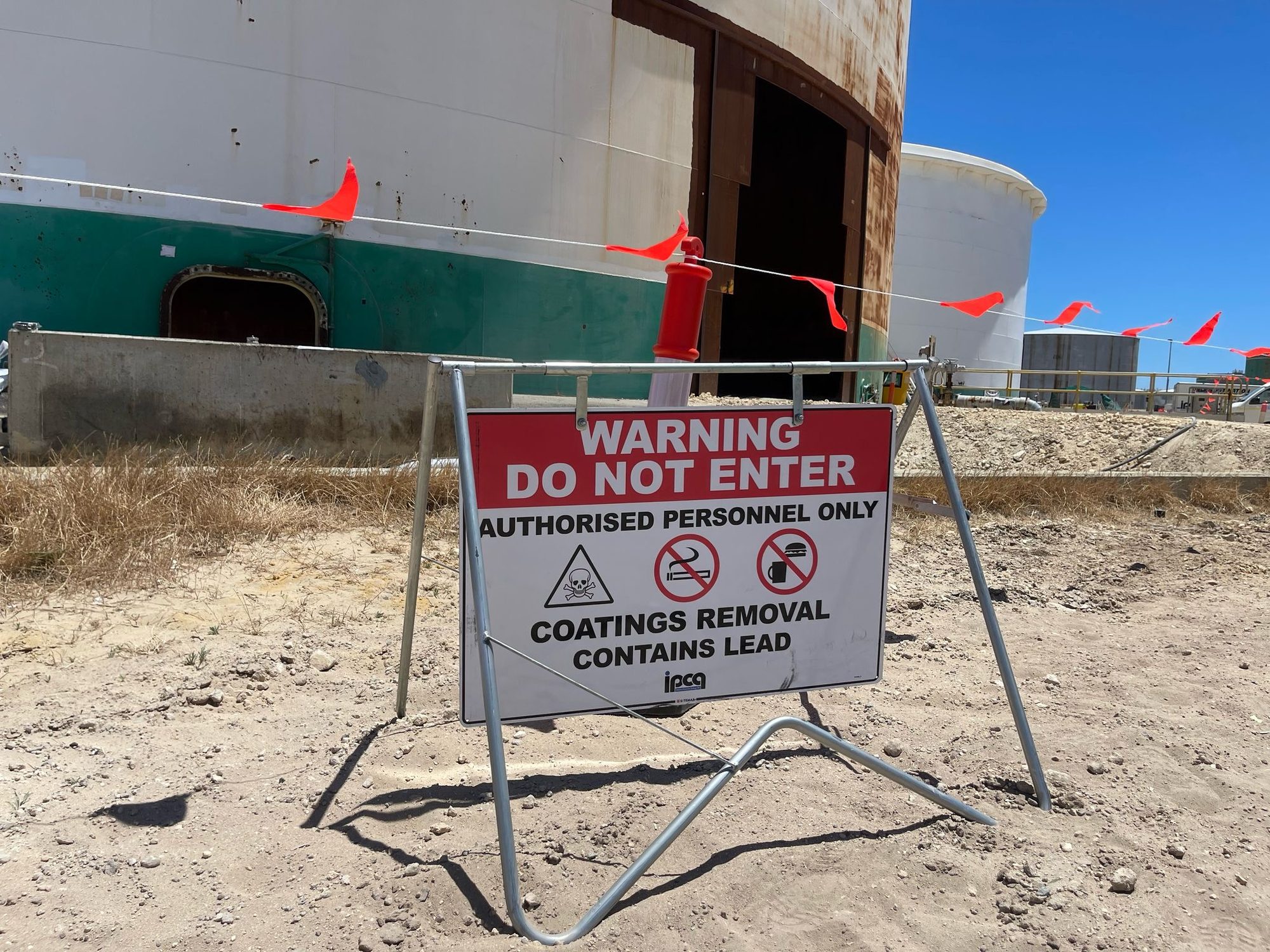
Testing confirmed the legacy coating contained high concentrations of lead-based compounds, making removal in a live refinery environment extremely high risk.

  • Open abrasive blasting was prohibited due to friction-spark hazards in an active hydrocarbon precinct
  • Dry blasting would have released toxic lead dust, threatening worker health and breaching environmental boundary limits
  • Conventional methods required full-height engineered scaffolding with wind-rated, negative-pressure encapsulation around the entire tank
  • Blasting would have produced tonnes of lead-contaminated garnet media with costly hazardous waste disposal
  • Water jetting was unsuitable due to lead-contaminated wastewater containment and immediate flash rust
  • BP needed a cold-work, non-sparking, blast-free method that allowed live terminal operations to continue

Services Included

  • RPR induction coating removal
  • Hazardous lead-based paint removal
  • Non-abrasive, non-sparking removal for live hydrocarbon environments
  • Elevated access using mobile elevated work platforms (boom lifts)
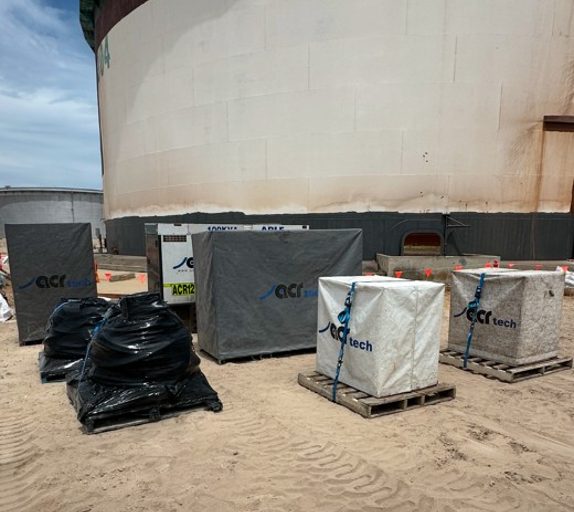
  • Waste capture using impermeable poly drop sheets
  • Collection and drumming of solid paint waste
  • Surface preparation leaving bare, dry steel ready for inspection and recoating

Conclusion

RPR induction delivered major safety and cost advantages for BP Kwinana, proving that lead paint can be stripped from live fuel storage tanks without scaffolding, dust or abrasive media.

  • Instead of around 40 tonnes of lead-contaminated garnet, total waste was a few sealed drums of dry paint flakes
  • No full-tank scaffold encapsulation, removing weeks of high-risk working at height and saving hundreds of thousands of dollars in access hire
  • Silent, spark-free operation with zero airborne lead emissions allowed adjacent refinery activities to keep running
  • The steel was left bare, dry and unwarped, allowing BP to carry out weld and plate thickness inspections immediately

Share:

Explore innovation, technology and news from our journey

Explore the latest innovations, project stories, and insights from the ACR Tech team.