Discover Australian Coating Removal (ACR) Tech and our innovative induction-based solutions.
Learn about our commitment to safer, smarter, and more efficient industrial coating removal.
Get in touch with our Brisbane team for project enquiries and expert advice.
Efficient surface preparation using precision induction technology for tanks, bridges, and more.
Specialised coating removal solutions for the offshore, marine, and large-scale industrial sectors.
Review real-world examples of our technology delivering results on complex infrastructure projects.
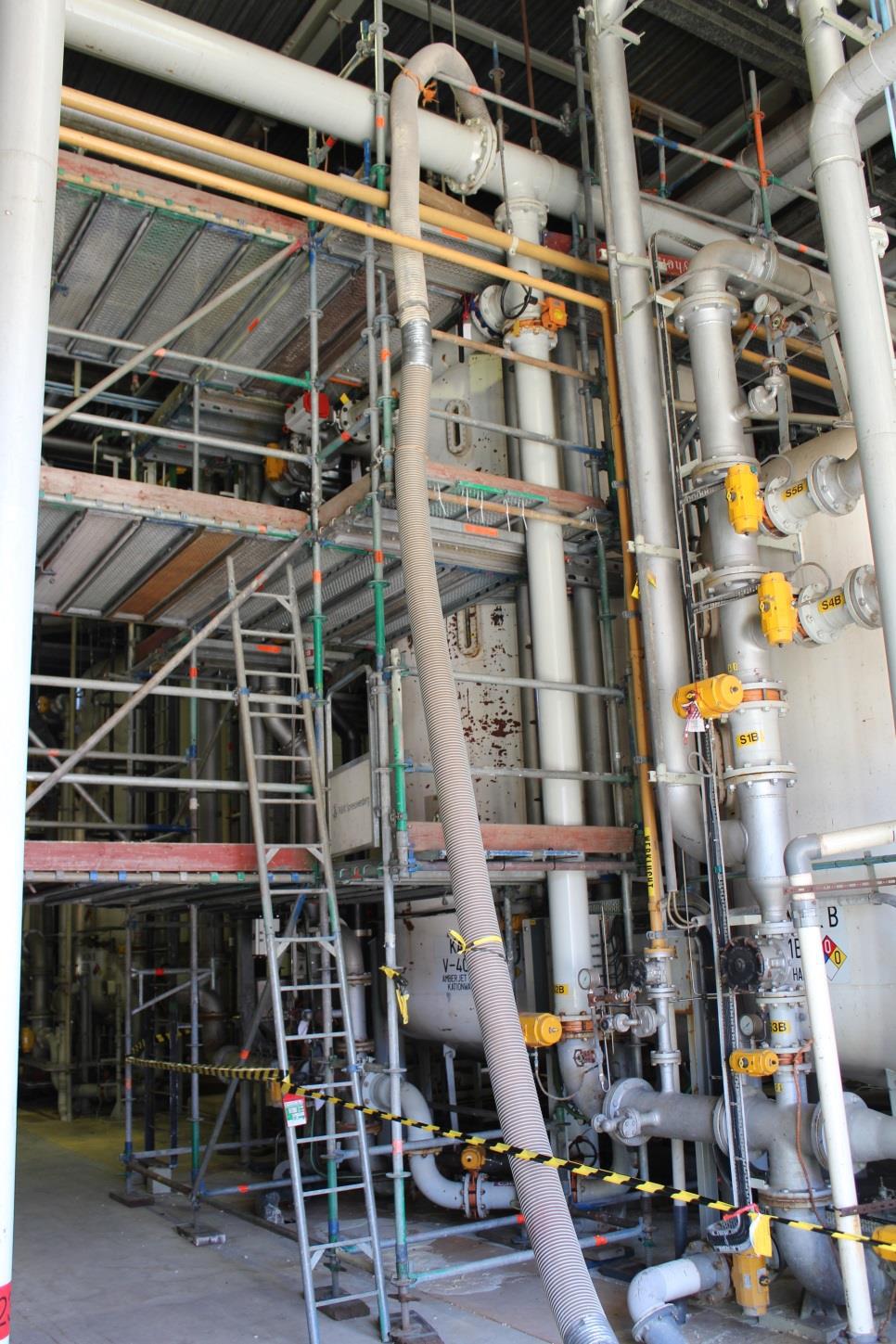
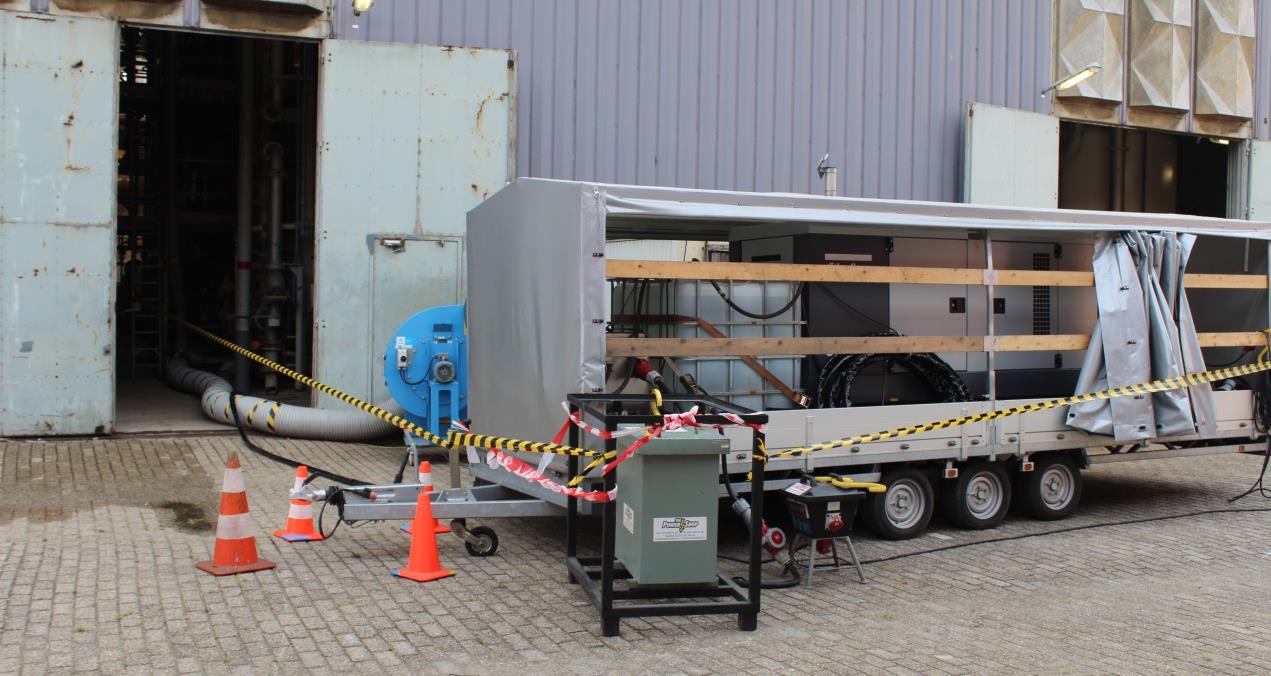
The Shell Nederland Chemie project at Moerdijk in the Netherlands involved the full interior coating removal of Cation Water Vessel V-402B, a 6.4 metre high vessel with a 3.5 metre diameter located within an active chemical processing facility. The work was carried out between 19 and 30 October 2016 by RPR operators from Bilfinger Salamis UK, under the supervision of RPR Technologies, and in coordination with Bilfinger Brabant Mobiel and Shell Nederland Chemie site management.
This was the first time RPR heat induction technology had been trialled at a Shell Nederland Chemie facility, and the project presented a unique set of circumstances that required careful planning and close collaboration between all parties before work could commence. Navigating Shell’s strict electrical safety protocols, confined space entry permits, and site access requirements was a significant undertaking in itself, but once cleared, the RPR Induction Disbonder proved highly effective on what turned out to be a far more complex coating system than initially anticipated.
The vessel originally appeared to have a simple 300 micron glass flake interior coating. Upon entry and inspection, the actual coating was found to be approximately 10 times thicker than specified, comprising multiple distinct coating systems across different zones of the vessel interior:
This discovery extended the project from a planned one-week duration to two weeks, but the RPR Induction Disbonder handled all coating types successfully, delivering a result that satisfied Shell Nederland Chemie’s requirements and prompted the client to pursue a standardised working procedure for this type of application going forward.
RPR Technologies delivered a full confined space interior coating removal service inside Cation Water Vessel V-402B at Shell Nederland Chemie’s Moerdijk facility, working under Shell’s strict safety and environmental standards within an active chemical processing plant.
Equipment and system setup:
Coating types successfully removed:
Removal process and outcomes:
The Shell Nederland Chemie Moerdijk project stands as one of the most technically demanding confined space coating removal projects in RPR’s case study portfolio, and the results delivered across every key measure confirmed the capability of RPR induction technology in the most challenging of chemical vessel environments. The outcomes achieved tell a compelling story:
Beyond the technical performance, this project demonstrated the ability of RPR heat induction technology to operate safely and effectively within the strict electrical safety protocols, confined space entry requirements, and environmental standards of an active Shell chemical processing facility. In an environment where grit blasting was completely ruled out and contamination risks were particularly high, RPR delivered the only viable solution available.
The success of the Moerdijk project directly prompted Shell Nederland Chemie to express their intention to establish a standardised working procedure for RPR induction coating removal on future vessel projects at the facility, a clear endorsement of the technology’s performance and its suitability for ongoing application in chemically sensitive confined space environments.
Share:
Explore the latest innovations, project stories, and insights from the ACR Tech team.
October 28, 2026
Planning a Blast and Paint Project in Queensland: How Induction Coating Removal Cuts Blast Time and Waste
October 26, 2026
Induction Coating Removal Costs in Australia: What Drives the Price per Square Metre on Steel Assets
September 28, 2026
Planning a Lead Paint Removal Project in Australia: Compliance, Licensing and Site Setup
September 21, 2026
Hazardous Coating Removal Costs: Why Waste Volume Drives the Budget
August 5, 2026
How to Remove Industrial Coatings from Steel: A Complete Guide
May 26, 2026
Reimagining Asset Remediation with Next-Generation Coating Removal