Discover Australian Coating Removal (ACR) Tech and our innovative induction-based solutions.
Learn about our commitment to safer, smarter, and more efficient industrial coating removal.
Get in touch with our Brisbane team for project enquiries and expert advice.
Efficient surface preparation using precision induction technology for tanks, bridges, and more.
Specialised coating removal solutions for the offshore, marine, and large-scale industrial sectors.
Review real-world examples of our technology delivering results on complex infrastructure projects.
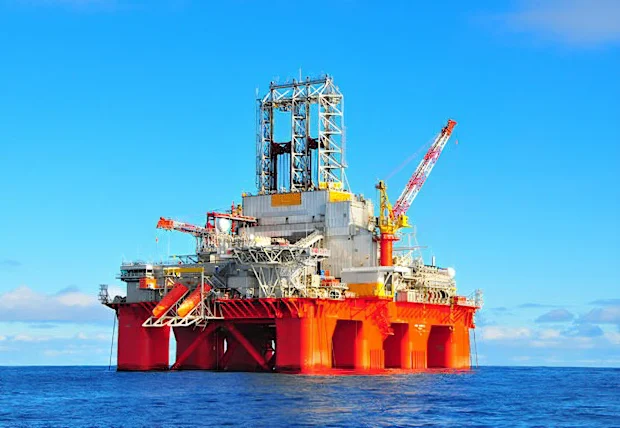
The West Venture is a fifth generation semi-submersible drilling vessel built by Hitachi in 2000 and registered in Norway. Classified by DNV as a 1A1 Drilling Vessel, it measures 117.60 metres in length and 69.70 metres in breadth, with the following key specifications:
In December 2004, RPR Technologies was engaged to carry out paint and rust removal from the primary escape routes and walking areas of the vessel’s deck while operating in the Norwegian sector. These areas are among the most safety-critical surfaces on any offshore drilling vessel, as the condition and anti-skid properties of the deck coating directly affect the safety of personnel moving around the vessel in demanding offshore conditions.
The existing deck coating was an anti-skid system that had deteriorated over time, accumulating to a thickness of 3 to 5mm, with areas of rust and flaking present across the surfaces to be treated. The contract requirement specified removal to Sa 2.5 on painted surfaces, a near white metal standard that demands thorough and consistent removal across the full treatment area. Full removal of the old coating and rust was required, followed by a surface wash and the application of a new anti-skid coating system to a total thickness of 1,500 microns.
Previous experience on comparable jobs using UHP water jetting had proven the method to be time-consuming and operationally burdensome in an offshore environment. UHP jetting generates large volumes of contaminated water waste, requires extensive containment to prevent runoff across the deck and into the sea, and creates wet working conditions that extend drying times between the removal phase and the application of the new coating. On an offshore vessel where downtime is costly and working conditions are already demanding, these inefficiencies represented a significant operational and cost burden that the client was keen to avoid repeating. The project was completed between 2 and 8 December 2004 with RPR Technologies representative Tom A. Baann present on site throughout.
RPR Technologies delivered a complete deck coating removal and surface preparation service on the West Venture drilling vessel, covering 150m2 of primary escape routes and safety-critical walking areas across the vessel’s deck.
Equipment and methodology:
Surface preparation outcomes:
Recoating and completion:
The West Venture project is a strong example of RPR heat induction technology delivering fast, dry, and efficient coating removal on a live offshore drilling vessel operating in the Norwegian sector. The results achieved across this project highlight the clear operational advantages RPR offers over conventional UHP water jetting in a marine offshore environment:
The staged, section-by-section approach developed for the West Venture allowed recoating to progress progressively behind the removal works, keeping the programme moving efficiently without leaving large areas of bare steel exposed overnight or disrupting vessel operations at any point.
For offshore drilling operators managing safety-critical deck surfaces on active vessels, the West Venture project demonstrates that RPR induction technology can deliver a faster, cleaner, and more operationally compatible solution than UHP water jetting, with meaningful time savings and a significantly reduced environmental and logistical footprint on board.
Share:
Explore the latest innovations, project stories, and insights from the ACR Tech team.
October 28, 2026
Planning a Blast and Paint Project in Queensland: How Induction Coating Removal Cuts Blast Time and Waste
October 26, 2026
Induction Coating Removal Costs in Australia: What Drives the Price per Square Metre on Steel Assets
September 28, 2026
Planning a Lead Paint Removal Project in Australia: Compliance, Licensing and Site Setup
September 21, 2026
Hazardous Coating Removal Costs: Why Waste Volume Drives the Budget
August 5, 2026
How to Remove Industrial Coatings from Steel: A Complete Guide
May 26, 2026
Reimagining Asset Remediation with Next-Generation Coating Removal